Read the Division of Chronic Disease and Injury Prevention Strategic Plan 2010 – 2013 from the New York State Department of Health.
Create a minimum of a 6-slide presentation that informs New Yorkers about the strategic plan (assume that it is to take place at some future date). Emphasize:
New York State Department of Health
Division of Chronic Disease and Injury Prevention
Strategic Plan 2010 – 2013
Contents
Background
1
Division of Chronic Disease and Injury Prevention Story
2
Part 1. Approach
3
Part 2. How to Monitor Progress
3
Part 3. How to Get There
4
Appendix
10
Prevention Agenda Toward the Healthiest State
(selected priority areas of focus and indicators)
Background
About the Division of Chronic Disease and Injury Prevention
By investing approximately $145 million in state and federal resources, the Division of Chronic Disease
and Injury Prevention (the Division) implements chronic disease and injury prevention programs to enhance
opportunities for all New Yorkers to live more healthful lives. Major programs in the Division include tobacco
control, cancer screening services, obesity prevention, cancer registry, diabetes prevention and control, healthy
heart, healthy communities, injury prevention, asthma prevention and control, and others. Guided by their
missions, visions, values and culture, these programs individually and collectively implement the strategies and
activities outlined in this strategic plan.
About the Strategic Planning Process
The New York State Department of Health’s Division of Chronic Disease and Injury Prevention Strategic
Plan for 2010 – 2013 was developed over the course of 18 months through a process that involved the
Division’s over 180 public health professionals and paraprofessionals; an extensive review of existing chronic
disease and injury prevention plans from organizations and other states, nations and unions; and a two-day
meeting of 120 partners and stakeholders who identified key priority activities under each of the plan’s six
major strategic approaches listed on page 3. The six approaches were adapted from the Expanded Chronic
Care Model (Barr et al. 2003). These strategies combine the resources of public health organizations, the
health care system, communities, government, and individuals to comprehensively effect change for the
prevention of chronic disease and injury among New Yorkers.
The Division’s strategic plan is based on existing fiscal and staff resources, funding and legislative
commitments as well as the Commissioner of Health’s Prevention Agenda Toward the Healthiest State (http://
www.health.state.ny.us). The Prevention Agenda identifies ten priorities for improving the health of all New
Yorkers and asks communities to work together to address them. Selected indicators for tracking public
health priority areas, along with measurable Prevention Agenda 2013 objectives, provide information to plan
prevention programs, develop new policies, and measure progress. The Division’s strategic plan encompasses
the key work of the Division that is directly related to the Prevention Agenda. The indicators listed in the
Appendix of this plan are taken directly from the Prevention Agenda and as such, have not been revised in
any way. The individual programs within the Division will continue to have more detailed program-specific
strategic plans which, over time, will link to and support the Division’s broader plan.
“Too many New Yorkers experience poor health as a result of obesity, tobacco use, and lack of preventive
health services. The Prevention Agenda is a call to action to local health departments, health care
providers, health plans, schools, employers, and businesses to collaborate at the community level to
improve the health status of New Yorkers through increased emphasis on prevention.”
– Richard F. Daines, M.D., State Health Commissioner
1
Division of Chronic Disease and Injury Prevention Story
Mission: The mission of the Division is to enhance opportunities for all New Yorkers to live more
healthful lives by implementing integrated initiatives to promote social, environmental,
policy and systems improvements that support health in all the places where New Yorkers
live, play, work and learn.
Vision: A high quality of life for all New Yorkers.
Values: The Division brings value to the work by implementing evidence-based, evidence-informed,
and innovative public health strategies, by engaging community members and decision
makers in the development and implementation of chronic disease and injury prevention
programs, and by advocating for and advancing priority public health action.
The Division conducts its work with pride, diligence, honesty and with respect for its
colleagues and the citizens of New York.
Culture: The Division works collaboratively with partners, contractors, and stakeholders to enhance
health and quality of life by promoting safe, healthful behaviors as the natural choice for New
Yorkers, by improving access to care and detecting chronic diseases and conditions early, and
by supporting optimal management to avoid disease complications.
The Division contributes to the science of public health by conducting surveillance,
evaluation and research projects, and disseminating public health information. The Division
holds itself accountable for effectively investing the people’s resources to prevent and reduce
chronic disease and injury.
Success: The Division will know it has been successful when the health behaviors of New Yorkers
improve, the risk factors for chronic disease and injury decline, the incidence and prevalence
of chronic diseases and injuries decrease, health care costs are reduced, and New Yorkers are
living healthier lives.
2
Part 1. Approach
Differences in the incidence and prevalence of health conditions and health status among groups often
result from differences in socioeconomic status, race, ethnicity, disability status, geographic location, access to
health care, sexual orientation, age, gender or some combination of these. Those who experience inequities in
health often have less access to the conditions that support health. The Division seeks to create the following
conditions in which New Yorkers can achieve their full health potential.
Conditions
• All New Yorkers have ready access to quality health care.
• All New Yorkers live in a tobacco-free society.
• All New Yorkers live in communities that provide ample opportunities for safe physical activity and
access to affordable, healthful foods.
• All New Yorkers live in safe communities and are protected from injuries.
• All New Yorkers have access to guideline-concordant quality care to prevent and reduce chronic disease
and injury and their complications.
• All New Yorkers have ready access to accurate, timely and complete information about the burden of
chronic diseases and injuries and the evidence- and population-based strategies to address them.
The Division invests available resources in key behaviors and services that have the greatest influence on
chronic diseases and injuries, including physical activity, healthy eating, tobacco use, safe behaviors (and use of
safety equipment), clinical preventive services, and chronic disease management. The Division works statewide,
in communities, in work places, in schools, in homes and with health care systems to create the conditions that
support health. This work is accomplished by focusing on the following six key strategies to advance chronic
disease and injury prevention in New York.
Strategies
• Build health-promoting public policy (laws and regulations, tax and price interventions).
• Create safe and supportive environments (improve the built environment).
• Strengthen community action (community, work place, and school interventions).
• Promote delivery of clinical preventive services (screening, clinical prevention, risk reduction, and
guideline-concordant care).
• Develop individual chronic disease and injury self-management skills.
• Generate information for action (surveillance, epidemiology, evaluation, research and advocacy).
Part 2. How to Monitor Progress
The Commissioner of Health’s Prevention Agenda Toward the Healthiest State is a call to action to all
New Yorkers to improve their health status through increased emphasis on prevention. The Prevention Agenda
identifies ten priorities for improving the health of all New Yorkers and asks communities to work together to
address them. Each priority area includes indicators to monitor progress toward achieving Prevention Agenda
goals. Six of the ten Prevention Agenda priority areas include indicators directly related to the work in the
Division. These priority areas and indicators are listed in the Appendix and constitute the key objectives the
Division is charged with achieving. The Prevention Agenda also aims to reduce or eliminate racial, ethnic and
socioeconomic health disparities where they exist; thus, the indicators are available and can be tracked at the
state level by race and ethnicity.
3
Part 3. How to Get There
Build Health-Promoting Public Policy: The Division identifies and supports public policies
(including laws, regulations and tax and price interventions) that promote healthy behaviors and
reduce chronic disease and injury-related morbidity and mortality. The Division educates state
policymakers on the importance of these policies and provides information and resources to
contractors, partners and stakeholders to advance the adoption and effective implementation of
health-promoting policies.
Key Initiatives to Build Health-Promoting Policy for 2010-2013:
• Promote pricing and fee programs that keep the price of unhealthful items high and healthful items
affordable, or limit the availability of unhealthful items.
• Demonstrate the public health case and increase the social acceptability of increasing the price of
calorically sweetened beverages in order to reduce consumption.
• Demonstrate the public health case and increase the social acceptability of keeping the price of
tobacco products high.
• Demonstrate the public health case and increase the social acceptability of policies to discourage
consumption of low nutrition foods.
• Promote access to decision-making information at the point of sale or use, and limit promotional
opportunities at the point of sale.
• Require calorie posting on menus and menu boards of chain restaurants.
• Reduce the number of maternity hospitals that offer infant formula or informational materials
produced by infant formula companies to new mothers.
• Require tobacco products to be kept out of view of the consumer in the non-adult only retail setting.
• Promote reduced access to health-harming products.
• Limit the density of tobacco vendors or other vendors promoting unhealthful products (e.g., by
limiting the availability of required licenses).
• Eliminate availability of novelty lighters to reduce the risk of unintentional fires and burn injuries to
children.
• Explore mechanisms to limit the advertising and marketing of health-harming products, especially to
children.
4
Create Safe and Supportive Environments: The Division of Chronic Disease and Injury
Prevention works to improve, upgrade, or enhance the physical environment in which New Yorkers live,
work and play to improve safety and support health-promoting behaviors. These changes in the “built
environment” occur through the use of Smart Growth zoning and land use policies, construction codes
and standards, and provision of public spaces such as parks and playgrounds among others.
Key Initiatives to Create Safe and Supportive Environments for 2010-2013:
• Promote and support healthy and livable communities across New York to work locally to create and
sustain safe and supportive environments.
• Build community capacity by providing funding to local health departments and community
organizations and training to community leaders and stakeholders.
• Provide training and resources to selected communities through Strategic Alliance for Health; Action
Communities for Health, Innovation and EnVironmental ChangeE (ACHIEVE); Creating Healthy Places;
Healthy Eating/Active Living by Design (HEALD); Pedestrian Partnerships; and other programs.
• Fund community organizations to convene and lead coalitions and partnerships to address tobacco,
nutrition and physical activity.
• Promote the availability, accessibility and affordability of healthful foods by locating grocery stores
offering fruits and vegetables in underserved communities, increasing the availability of fresh produce
at convenience stores, and establishing and promoting the use of community gardens and farmers’
markets in underserved areas.
• Provide funding, training and technical assistance to selected community programs (HEALD, Strategic
Alliance for Health, ACHIEVE, Creating Healthy Places, and other grantees) to increase availability,
accessibility and affordability of healthful foods.
• Promote the establishment, improvement, accessibility and use of outdoor spaces, including streets,
parks, recreation areas, trails, beaches and other public spaces that are safe, tobacco free, and
appropriate and available for physical activity and play.
• Increase demand for and advance complete streets policies and support (through training and
technical assistance) community implementation of complete streets projects.
• Increase tobacco-free indoor and outdoor areas, including multi-unit dwellings, parks, recreation areas
and other public places.
• Promote the development and effective implementation of comprehensive school health and wellness
policies to best support improved nutrition, regular physical activity, and a tobacco free norm for all
students, staff, and visitors.
• Fund community contractors to provide training and technical assistance to school districts to
develop, strengthen and effectively implement comprehensive school health policies, including
nutrition standards for foods available in schools, physical activity requirements, and tobacco-free
policies.
• Promote the development and effective implementation of comprehensive worksite wellness policies
that include tobacco-free and breastfeeding-friendly environments, healthy food and beverage choices,
physical activity opportunities, and coverage and use of clinical preventive services and chronic disease
self-management programs.
• Fund worksite wellness activities in Creating Healthy Places community coalitions.
• Provide worksite wellness training and technical assistance to communities and employers through
statewide grants.
5
Strengthen Community Action: The Division of Chronic Disease and Injury Prevention
supports partnerships with state agencies, community organizations, policymakers, businesses,
schools, health care providers and others, to actively engage community members in advocating for
health promoting policies and changes to the “built” environment that support health.
Key Initiatives to Strengthen Community Action for 2010-2013:
• Provide resources and support to local health departments and community organizations to improve
community health by advancing policy, systems and environmental changes to address the primary
causes of chronic disease and injury.
• Build community capacity by providing seed funds and training to local health departments and
community leaders and stakeholders.
• Provide training and resources to selected local communities through Strategic Alliance for Health,
ACHIEVE, Creating Healthy Places, HEALD and other programs.
• Fund community organizations to convene and lead coalitions and partnerships to address tobacco,
nutrition and physical activity.
• Participate and support state level interagency initiatives designed to improve living environments
through Smart Growth and Livable Communities policies.
• Disseminate public health information for use by local health departments and community
organizations to make the case for chronic disease and injury prevention.
• Integrate health communication tools and strategies into ongoing program activities to raise
community awareness and build community demand for chronic disease and injury prevention action.
• Engage community members, policy and decision-makers, business and education leaders, health care
leaders, advocates and others to identify, build momentum toward and advance efforts to improve
community health.
• Fund community organizations to convene and lead coalitions and partnerships to address tobacco,
nutrition and physical activity and advance the use of clinical preventive services.
• Link with other state agencies to expand partnerships in the community.
• Fund community organizations and local health departments to effectively recruit key population
groups to receive clinical preventive services, including screening and early detection of breast,
cervical and colorectal cancer.
• Conduct public health communication campaigns to build demand for chronic disease and injury
prevention initiatives, promote positive behavior change, and accelerate the effective implementation
of statewide health promoting policies. Public health communication campaigns include the use of paid
and earned media, media advocacy and grassroots campaigns to reach key population groups.
• Conduct paid media campaigns to promote cessation and use of the New York State Smokers’
Quitline.
• Conduct statewide and community outreach campaigns to promote the use of age-appropriate
screening and early detection of breast, cervical and colorectal cancer.
• Conduct community media campaigns to promote timely access to urgent and emergency care
following the onset of stroke signs and symptoms.
• Use public health communication strategies to advance the effective implementation of statewide
health-promoting policies.
6
Promote Delivery of Clinical Preventive Services and Reorient Health Care to
Emphasize Prevention: The Division of Chronic Disease and Injury Prevention works with
health care organizations and systems to support the provision of evidence-based clinical preventive
services and guideline-concordant care to reduce chronic disease and injury morbidity and mortality.
Key Initiatives to Strengthen the Delivery of Clinical Preventive Services for 2010-2013:
• Promote access to quality health care and clinical preventive services.
• Pursue policies to support coverage of chronic disease self-management programs.
• Pursue policies that reduce out-of-pocket costs to the consumer of clinical preventive services,
including cancer screening and treatment for tobacco use and dependence.
• Pursue policies that provide clinician reimbursement for provision of clinical preventive services,
including patient education and counseling.
• Pursue policies that require the inclusion of decision support tools/reminder system modules for
preventive services such as screening and treatment for tobacco use and dependence, cancer
screening, and others in the basic electronic medical record packages offered by vendors.
• Provide technical assistance and training to health care organizations and providers.
• Support the adoption and use of electronic health records to achieve improved outcomes in patient
engagement, care coordination, and population health with regards to chronic disease and injury
prevention and control.
• Promote policy, system and environmental change within the health care system, including the office
practice setting, based on the chronic care model and the patient-centered medical home to improve
the provision and quality of clinical preventive services and guideline-concordant care, including:
• Age-appropriate breast, cervical and colorectal cancer screening to increase the percent of adults who
receive age-appropriate cancer screening services at recommended intervals;
• BMI screening, weight status assessment and appropriate intervention to increase the percent
of adolescents and their families who are receiving advice from health care providers on weight
management;
• Screening for tobacco use and provision of tobacco dependence treatment to increase the percent of
smokers who are being advised to quit and provided with assistance in quitting successfully;
• BMI screening and diabetes risk assessment to identify patients with undiagnosed diabetes and
pre-diabetes for referral to Diabetes Self-Management Education (DSME) or Community Diabetes
Prevention Initiative sites (e.g., YMCAs, senior centers) and other diabetes prevention programs;
• Chronic disease management and chronic disease self-management education; and
• Improved communication, referrals, and collaboration among state and state-funded programs to
facilitate the provision of the full range of preventive clinical and social services addressing multiple
chronic diseases and injury prevention.
7
Develop Individual Chronic Disease and Injury Self-Management Skills: The Division
of Chronic Disease and Injury Prevention supports the provision of information and skills to those
living with chronic disease to better manage their conditions and thus improve their quality of life
and reduce or avert complications.
Key Initiatives to Strengthen Individual Chronic Disease and Injury Self-Management Skills for
2010-2013:
• Convene experts, state agencies, insurers, community organizations, advocates and stakeholders to
identify a process to expand Chronic Disease Self-Management Programs (CDSMPs) in communities
across New York and integrate community programs with the health care and human service systems.
• Promote utilization of DSME resources by consumers.
• Develop and test community models for expanding the availability of CDSMPs.
• Promote the provision of coaching, self-help materials and nicotine replacement medications to
smokers trying to quit through the NYS Smokers’ Quitline.
• Incorporate fall prevention into chronic disease management and self-management guidance
and promote the provision of evidence-based fall prevention exercise programs for seniors in the
community setting.
8
Generate Information for Action: The Division of Chronic Disease and Injury Prevention
generates data and information on chronic disease and injury and translates surveillance,
epidemiology and research findings into usable information to advance chronic disease and injury
prevention and control in community and statewide settings.
Key Initiatives to Generate Information for Action for 2010-2013
• Establish, maintain or enhance key chronic disease and injury surveillance systems, including the
Behavioral Risk Factor Surveillance System and the state Cancer Registry.
• Ensure that program areas are appropriately investing in surveillance and evaluation.
• Identify funding streams for core surveillance and evaluation activities.
• Establish, maintain or enhance systems such that representative information is available at the state
and local levels when possible.
• Establish, maintain or enhance program monitoring and evaluation systems, services and support to
assess and document program implementation and impact.
• Produce and disseminate reports documenting the burden of chronic diseases, conditions, injuries and
risk factors; the distribution of chronic diseases, conditions, injuries and risk factors across person, place
and time; interventions to prevent and reduce chronic diseases, conditions, injuries and risk factors; and
the public health impact of those interventions to serve as an evidence base to guide prevention and
control practices for chronic disease and injuries.
• Translate surveillance, evaluation and research information into press releases, policy briefing
documents, community education and advocacy materials, and publications that “make the case” for
chronic disease and injury prevention interventions.
• Integrate surveillance, evaluation and research information into programmatic decision-making to
improve program performance and appropriately invest program resources.
References
Barr, V.J., S. Robinson, B. Marin-Link, L. Underhill, A. Dotts, D. Ravensdale, and S. Salivaras. 2003. “The Expanded
Chronic Care Model: An Integration of Concepts and Strategies from Population Health Promotion and the Chronic
Care Model.” Hospital Quarterly 7(1):73-82.
9
Appendix – Prevention Agenda Toward the Healthiest State
Selected priority areas of focus and indicators related to the work in the Division of
Chronic Disease and Injury Prevention
Access to Care
• Indicator: By 2013, increase the percentage of cancer cases diagnosed at early stages among New
Yorkers to at least:
• 80% for breast cancer (baseline: 64%, NYS Cancer Registry, 2000-2004)
• 65% for cervical cancer (baseline: 52%, NYS Cancer Registry, 2000-2004)
• 50% for colorectal cancer (baseline: 40%, NYS Cancer Registry, 2000-2004)
Tobacco Control
• Indicator: By 2013, reduce the prevalence of smoking in New York to:
• 12% of adults (baseline: 18.2%, BRFSS, 2006)
• 10% of adolescents [smoked in past 30 days] (baseline: 16.3%, YTS, 2006)
Physical Activity and Nutrition
• Indicator: By 2013, reduce the percentage of New York children who are overweight or obese so that:
• The percent of WIC children (ages 2-4) who are obese is no more than 11.6 % (baseline: 15.5%, WIC
Program data, 2005)
• The percent of children ages 6-11 who are obese is no more than 5% (baseline: 20%, New York State
School-Based Weight Status Surveillance 2003-2009)
• The percent of children ages 12-19 who are obese is no more than 5% (baseline: 18%, New York State
School-Based Weight Status Surveillance 2003-2009)
• Indicator: By 2013, reduce the percentage of adult New Yorkers who are obese to no more than
15.0% (baseline: 22.9%, BRFSS, 2006)
• Indicator: By 2013, reduce the prevalence of diabetes among New York adults to no more than 5.7%
(baseline 7.6%, BRFSS, 2006)
• Indicator: By 2013, increase the percent of adult New Yorkers who engage in some type of leisure
time physical activity to at least 80% (baseline: 74.0%, BRFSS, 2006)
• Indicator: By 2013, increase the percent of adult New Yorkers who have consumed fruits and
vegetables five or more times per day to at least 33.0% (baseline: 26.0%, BRFSS, 2005)
• Indicator: By 2013, increase the percentage of New York mothers breastfeeding for at least the first 6
months of their baby’s life to at least 50% (baseline: 39.5% of WIC mothers, WIC Program data, 2005)
Unintentional Injury (motor vehicle injuries, pedestrian injuries, fall prevention)
• Indicator: By the year 2013, reduce the age-adjusted unintentional injury hospitalization rate and
mortality rate in New York so that:
• Age-adjusted unintentional injury-related hospitalization rate is no more than 44.5 per 10,000
(baseline: 59.3 per 10,000, SPARCS, 2003-2005)
• Age-adjusted unintentional injury-related mortality rate is no more than 17.1 per 100,000 (baseline:
19.9 per 100,000, Vital Statistics, 2003-2005)
• Indicator: By 2013, reduce age-adjusted motor vehicle-related injury mortality in New York to no more
than 5.8 per 100,000 (baseline: 7.7 per 100,000, Vital Statistics, 2003-2005)
• Indicator: By 2013, reduce the pedestrian injury hospitalization rate in New York to no more than 1.5
per 10,000 (baseline: 2.0 per 10,000, SPARCS, 2004-2006)
• Indicator: By 2013, reduce the fall related hospitalization rate among persons aged 65 and over in
New York to no more than 155 per 10,000 (baseline: 206.3 per 10,000, SPARCS, 2004-2006)
10
Healthy Environment (asthma)
• Indicator: By 2013, reduce asthma related hospitalizationsto no more than:
• 16.7 per 10,000 population (baseline 22.2 per 10,000, SPARCS, 2003-2005)
• 17.3 per 10,000 among children aged 0-17 years (baseline 34.1 per 10,000, SPARCS, 2003-2005)
Chronic Disease (diabetes, coronary heart disease, congestive heart failure, cerebrovascular
disease, cancer [breast, cervical, colorectal, lung], chronic obstructive pulmonary disease)
• Indicator: By 2013, reduce the rate of hospitalizations for short-term complications of diabetes to no
more than:
• 2.3 per 10,000 (ages 6-17) (baseline: 3.1 per 10,000, SPARCS, 2005-2006)
• 3.9 per 10,000 (ages 18+) (baseline: 5.2 per 10,000, SPARCS, 2005-2006)
• Indicator: By 2013, reduce the age-adjusted coronary heart disease hospitalization rate in New
Yorkers to no more than 48 per 10,000 (baseline: 63.7 per 10,000, SPARCS, 2003-2005)
• Indicator: By 2013, reduce the congestive heart failure hospitalization rate among New York adults
(ages 18+) to no more than 33 per 10,000 (ages 18+) (baseline: 44.3 per 10,000 adults, SPARCS,
2005-2006)
• Indicator: By 2013, reduce New York’s age-adjusted cerebrovascular disease mortality rate to no more
than 24 per 100,000 (baseline: 32.6 per 100,000, Vital Statistics, 2003-2005)
• Indicator: By the year 2013, reduce the age-adjusted cancer mortality rate to no more than:
• 21.3 per 100,000 females for breast cancer (baseline: 26.1 per 100,000, NYS Cancer Registry, 2000-04)
• 2.0 per 100,000 females for cervical cancer (baseline: 2.6 per 100,000, NYS Cancer Registry, 2000-04)
• 13.7 per 100,000 for colorectal cancer (baseline: 20.1 per 100,000, NYS Cancer Registry, 2000-04)
11
Essay Writing Service Features
Our Experience
No matter how complex your assignment is, we can find the right professional for your specific task. Achiever Papers is an essay writing company that hires only the smartest minds to help you with your projects. Our expertise allows us to provide students with high-quality academic writing, editing & proofreading services.
Free Features
Free revision policy
$10Free bibliography & reference
$8Free title page
$8Free formatting
$8How Our Dissertation Writing Service Works
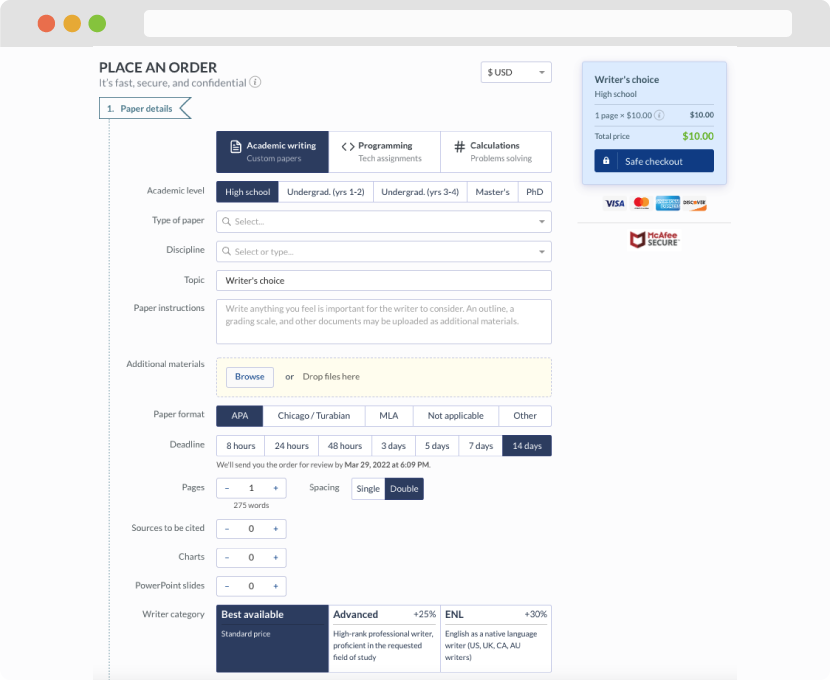
First, you will need to complete an order form. It's not difficult but, if anything is unclear, you may always chat with us so that we can guide you through it. On the order form, you will need to include some basic information concerning your order: subject, topic, number of pages, etc. We also encourage our clients to upload any relevant information or sources that will help.
Complete the order form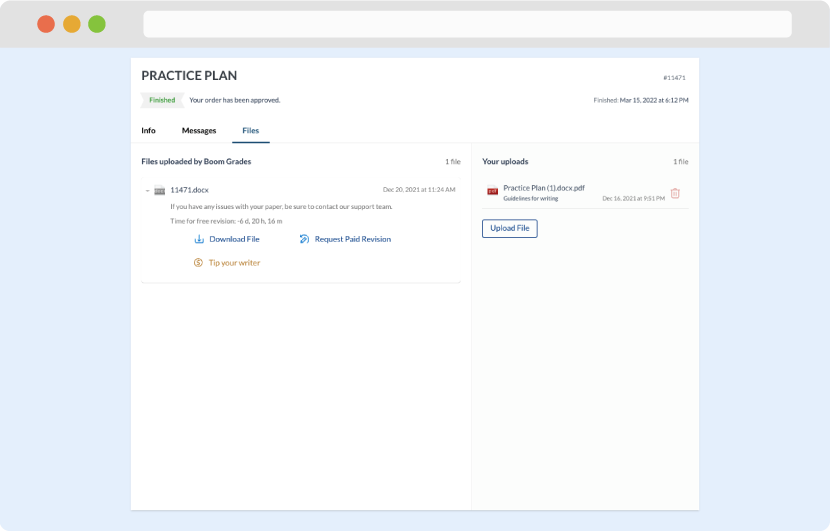
Once we have all the information and instructions that we need, we select the most suitable writer for your assignment. While everything seems to be clear, the writer, who has complete knowledge of the subject, may need clarification from you. It is at that point that you would receive a call or email from us.
Writer’s assignment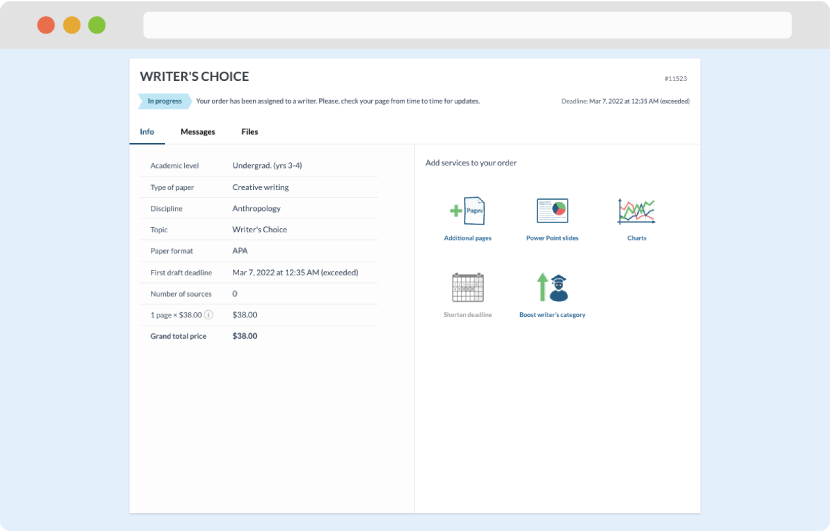
As soon as the writer has finished, it will be delivered both to the website and to your email address so that you will not miss it. If your deadline is close at hand, we will place a call to you to make sure that you receive the paper on time.
Completing the order and download