In a 2- to 3-page paper, address the following:
http://mym.cdn.laureate-media.com/2dett4d/Walden/SOCW/MSWP/CH/mm/homepage/episodes.html
PSYCHOTHERAPEUTIC APPROACHES FOR ADDICTION
2
2
Psychotherapeutic Techniques in Addiction Group Therapy
Group Therapy for Addiction
In addiction group therapy each participant presents with their own separate reasons and stressors that causes their addictive habits. Sometimes this could be especially challenging for the therapist. While some participants may be court ordered for therapy and others maybe attending because their relationships and family connections are on the line and is been threatened due to the addiction problem (Laureate Education,2013d). In this paper I will identify and evaluate psychotherapeutic approaches to group therapy for addiction, determine if I would use the same psychotherapeutic approach during my sessions as a therapist/provider. if you were the counselor facilitating this group and justify your decision, then I would identify any alternative approach to group therapy for addiction while explaining why it is an appropriate option.
Psychotherapeutic Approach
During the sessions it was noted that the therapist used the interpersonal psychotherapy (IPT) approach. IPT is a type of therapy that utilizes a uniquely structured model for the treatment of mental health issues, also help individuals discourse their active concerns and problems while improving interpersonal relationships (Team, 2018). The therapist in this video used this approach to assist the participants in solving their addiction problems. Because it was noted during the session that Mr. Levy ineffectually coping with his problems, therefore abuses alcohol in efforts to bury his post -traumatic stress disorder (PTSD). Individuals that have addictions problems are able to build durability to their interpersonal conflicts with assistance of IPT (Psychotherapy.net, 2015).
Utilizing This Therapeutic Approach
As a therapist I feel that the approaches used in this video was appropriate for this situation at hand, therefore I would also adopt this same approach. This approach is very useful in helping clients deal with what is actively going on in their lives.
Interpersonal psychotherapy -group therapy (IPT) assists the clients finding comfort and trust in the group, this approach does not intentionally encourage ill feelings that in turns make the group therapy experience an unwanted and tense (Psycotherapy.net (2015).
Alternative Approach
An alternative approach to IPT in group therapy for clients with addiction problems is cognitive behavioral therapy (CBT), is a form of psychological treatment that has been demonstrated to be effective for a range of problems including depression (American Psychological Association, 2017) Additionally, According to (Wheeler, 2014).
CBT employs motivational interviewing techniques, contingency management and relapse prevention.
Conclusion
The ultimate goal of addiction group therapy is to assist clients in finding sobriety and with hopes of sustaining. Clients must be willing and able to identify different trigger and stressors that lead to this unwanted behavior. As a therapist is important make the clients aware of what the intended treatment goal outcomes are. Clients should know that the goal of Interpersonal psychotherapy (IPT) is to assist in combating the triggers, while the CBT interventions will help in redirecting the client’s thoughts and behavior.
References
American Psychological Association. (2017). What Is Cognitive Behavioral Therapy? Retrieved from https://www.apa.org/ptsd-guideline/patients-and-families/cognitive-behavioral
Laureate Education (Producer). (2013d). Levy family: Sessions 1-7 [Video file]. Baltimore, MD; Author.
Psychotherapy.net (Producer). (2015). Group therapy for addictions: An interpersonal relapse
prevention approach [Video file]. Mill Valley, CA: Author.
Team, G. (2018). Interpersonal Psychotherapy (IPT). Retrieved from https://www.goodtherapy.org/learn-about-therapy/types/interpersonal-psychotherapy
Wheeler, K. (Ed.). (2014). Psychotherapy for the advanced practice psychiatric nurse: A how-to
guide for evidence-based practice (2nd ed.). New York, NY: Springer Publishing
Company.
ASSIGNMENT: PSYCHOTHERAPEUTIC APPROACHES TO GROUP THERAPY FOR ADDICTION
Psychotherapeutic Approaches to Group Therapy for Addiction
Addiction is a serious public health problem worldwide, a national crisis in need of urgent intervention, many precious lives have been lost, young and old are affected accordingly, homes and families are shattered and children are left without hope and future, foster care is on the rise by the minutes, DFCS work load had increased, social services are unable to keep up with the related emergencies, jail centers are filled and psychiatric units have no more openings to accommodate this problem. As a missionary, I can relate to this problem after travelling within and outside of the United States. This is a major issue of concern in psychiatric and mental health services.
According to Wheeler, 2014, Addiction is a primary, progressive, and chronic disease of the brain involving memory, motivation, and other neurological phenomena, a major dysfunction affecting an individual biologically, psychologically, socially, and spiritually; relapse and remission is not uncommon; characterized by pathological pursue of rewards or relief, many impairments and inabilities like lack of control and inability to abstain, craving, dysfunctional emotional responses, lack or no recognition of one’s behavior and interpersonal relationships. Stress and coping with life events like trauma, loss, abuse, illness, chronic pain, depression, and anxiety are inevitable experiences of human life. The biopsychosocial factors in human try to self-regulate and soothe the stress using mood altering substances and behaviors which can be misused or overused, resulting in physical, social, legal, and psychological problems.
As professional, Psychiatric mental health nurse practitioners –PMHNP, it is an important responsibility to understand addiction, immediate intervention, and the appropriate or best treatment of choice to care for the disorders accordingly in order to safe life and for continuity of life (Walden University, 2020). For clarity and better understanding of this week’s topic of discussion, the assignment paper is centered on explaining the psychotherapeutic approach used in the Levy Family Sessions: 1-7 video. To explain the psychotherapeutic benefits of the approach used by the group facilitator, and identify other alternative approach or approaches to group therapy for addiction supported with evidence-based literatures (Walden University, 2020).
Reviewing and Reflecting on this week’s Learning Resources
The provided insights on this week’s learning resources are the integrated models of care that facilitate lifelong recovery and treatments of choice for individuals with addictions, most especially alcoholism and other substances; the urgent need of intervention by the society, the associated family crisis, the lost, and the failures. The provided scenarios of group therapy session are very important as well as the counselling session of intervention getting to know the client as an individual and dealing with the root cause of the problems or the triggers in individual dealing with addiction. There are various psychotherapeutic approaches to caring for individuals with addiction, it is clearly stated in this week’s discussion and video scenarios that there are many “at-risk” populations in the United States of America that are exposed to higher prevalence of Addictions or Substance Use Disorders – SUDs which includes survivors of emotional, physical, and sexual abuse, people with physical, sensory, and cognitive disabilities, people suffering from chronic pain, the unemployed, the limited educated individuals, low socioeconomic status, people with military combat service, lack of job or economic security, people with no health care coverage, homeless and hone foreclosures, and people with depression and anxiety. In addition, the other insights revealed are the increasing suicidal rates following posttraumatic stress disorders as a result of combat or loss of life, traumatic experiences that triggers some bad memories, traumatic brain injury, substance abuse, and the domestic violence associated with military and veteran of war in Iraq, Afghanistan, and other places. The various treatment options were explained in the learning resources like the 12-Step Peer Support Groups which was initially proposed by the Alcoholics Anonymous in 1939 as a useful method of recovery from Alcoholism and other 12-Step groups worldwide (Wheeler, K., 2014).
Identify the psychotherapeutic approach that the group facilitator is using and explain why she might be using this approach.
Viewing the media, Levy Family: Sessions 1-7, was an emotional and challenging video for me in relation to individual within and outside of my family that were affected by this likely experience (Laureate Education, 2013d).
One of the most important things observed in the psychotherapeutic approach of the group facilitator was the initial screening and assessment – titled “SBIRT” – the Screening, Brief Intervention and referral to Treatment, which is the public health approach that was supported by SAMHSA. SAMHSA and NIAAA – National Institute on Alcohol Abuse and Alcoholism, provides grant funding, billing and coding, training materials, resources, and clinician guidelines for healthcare work force and providers on SBIRT skills, screening, and early intervention for individuals with SUDs and those at risk for developing these disorders; universal usage of early intervention for individuals referred to as at-risk substance users in primary care centers, hospitals, emergency rooms, trauma centers, and other community settings (Wheeler, K., 2014).
After the screening and assessment were completed, it was then that the group facilitator decided that the group therapy will be appropriate for this client because it is important to know that not everyone can fit well into group therapy. The selection of a psychotherapeutic approach for a client requires many considerations like the unique needs and character of the client. The selection of psychotherapeutic approach for groups is also very delicate and sensitive because not every approach is appropriate for every group, it’s dependent of their unique needs and characteristics.
Considering the Levy’s family – Jake is the client in need of Psychotherapeutic care, Jake is having Posttraumatic stress disorders from the traumatic experience that he survived as militant in military service in Iraq having explosive combat exposure. This placed him as “at-risk” population who could benefit from SAMHSA –SBIRT clinical assessment and guidelines. This is very common with military veterans. The only personal choice of care for this client at this point in his life was based on biopsychosocial factors of “self-soothe” by self-regulating the feelings, the thoughts, and the emotions using mood altering substances and behavior of alcohol until he feels or remembers nothing (Wheeler, K. 2014). According to Levy Family video and initial screening and assessment by the therapist and the group facilitator, the group therapy approach was useful and necessary for Jake with regards to this addiction; the group involved were all men with PTSD status post combat experiences and exposures who had also served in Iraq and Afghanistan at one time or the other. The group session was started with commonality of service in the military and as veterans and questioning them of their adjustment to home life after war. According to Wheeler, 2014, this is a Trauma-Informed Care psychotherapeutic approach; research showed increase in rate of PTSD, substance abuse, and suicide among military veterans after increased exposure to violence during combat and wars most especially in Iraq and Afghanistan. According to SAMHSA, 2013, and Capone, Eaton, McGrath, & McGovern, 2014, due to combat exposures, the military veterans of Iraq and Afghanistan wars, one in five of the veterans have PTSD or depression, at greater risk for Substance Use Disorders (SUDs), and possibility of co-occurring substance use which has not been confirmed.
Irrespective of the type of trauma, alcohol and drugs are commonly used to numb the pain of the traumatic experience or possibly prevent the memory. Wheeler, 2014, and Bordrog & Wittenberg, 2014, report the use of alcohol and drugs to manage and cope with the associated symptoms of Posttraumatic stress disorders avoiding bad memories, dreams, people or places, reducing or eliminating flashbacks, insomnia, night terrors, or hypervigilance; Trauma-focused Psychotherapeutic care has been effective and it’s usually the treatment of choice. It has been suggested that clinicians and Psychiatric mental health professionals learn the evidence-based treatment approaches of treating the underlying trauma or cause of the PTSD while addressing the alcoholism and use of drugs simultaneous for better outcomes and management. Studies have revealed the success and increased positive outcomes and recovery from SUDs when the symptoms of trauma related to PTSD are spontaneously attended early in the treatment and care (Wheeler, 2014).
Based on the outcomes of the Levy’s video, Psychotherapeutic care and outcomes, the trauma-informed care approach was appropriate for Jake – the clients. According to studies by Purkey, Patel, & Phillips, 2018, the therapeutic sessions of care revealed the provided information, the screening and the assessment prior to care and treatment, client’s opinion was valued and respected, the group worked together supporting one another with strong determination, providing hope of recovery and showing the uniqueness of one another as the symptoms of trauma, the cause or the triggers were revealed, worked with the provider and group facilitator in achieving recovery.
To Determine whether or not you would use the same psychotherapeutic approach if you were the counselor facilitating this group.
Based on the observed outcomes, other researches, and outcomes of studies, I would definitely useful the Trauma-focused care – the Psychotherapeutic approach used by the group facilitator. No matter the cause of the trauma and other associated factors, client’s undergoing Trauma-focused care have shown tremendous improvement and growth, make changes in their personal and family lives, have developed relationships that had helped them in empowering them through their challenges and times of need (Wheeler, K., 2014).
Alternative approach to group therapy for addiction.
The alternative psychotherapeutic approach for addiction is the 12-Step Peer Support Groups, an effective treatment initially proposed by the Alcoholic Anonymous in 1939 used for recovery from alcoholism and as a foundation for other 12-step groups throughout the world. The 12-step peer support group is associated with positive outcomes with guiding principles in which the clients are allowed to share their personal stories, experiences, their weaknesses and strength and their hope and aspirations into recovery as a member of the alcohol anonymous (Wheeler, K., 2014). According to Teeters, Lancaster, Brown, & Black, 2017, PTSD and the symptoms is prolonged and intensified with the use and consumption of alcohol, leading to increase in the symptoms of depression, and anxiety or possibly insomnia.
Other psychotherapeutic approaches are the integrative therapies of EMDR, the dialectical behavioral therapy (DBT), and Mindfulness practice which have offered promising positive treatment outcomes in dealing with PTSD and the underlying cause of trauma (Wheeler, K., 2014). In addition, the motivational interviewing approach has encouraged and helped with drug-free and healthy living lifestyle on many individuals with addiction problems; changing their talk and determination to make a difference; creating confidence and will power (Wheeler, K., 2014 and Madson, M. B., Schumacher, J. A., Baer, J. S., & Martino, S., 2016). Other therapeutic approaches are the solution focused therapy used for couples and families, a family based therapy that intervenes in the client’s personal issues, the spouse, and possibly the whole family restoring and healing the family’s dysfunctional relationships relating to the traumatic experience and addictions. Studies and Research had support the use of family and couple therapy in addressing and dealing with SUDs and PTSD, very effective and efficient (Wheeler, 2014). Studies showed the success of family therapy in parenting, social issues, violence, depression, family conflicts, unemployment, and other family associated problems promoting effective and efficient treatment outcomes (Lander, Howsare, & Byrne, 2013).
In conclusion, the SAMHSA and the NIAAA have important clinical guidelines, grants, training programs, and support for health care professionals with regards to psychological issues of addiction, drug use, and Substance abuse that have been proved effective by several evidence-based practices. It is necessary that professional take advantage of these wonderful opportunities so as to better themselves and be effective care provider in their fields of specialties (
www.SAMHSA.gov
and www. Niaaa.nih.gov).
References
Bodrog, B., & Wittenberg, E. (2014). Veteran readjustment: What we went through and how to help us. Presentation at HealthPartners, Bloomington, MN.
Capone, C., Eaton, E., McGrath, A. C., & McGovern, M. P. (2014). Integrated Cognitive Behavioral Therapy (ICBT) For PTSD and Substance Use in Iraq and Afghanistan Veterans: A Feasibility Study. Journal of Traumatic Stress Disorders & Treatment, 3(4), 1000134.
Lander, L., Howsare, J., & Byrne, M. (2013). The impact of substance use disorders on families and children: from theory to practice. Social work in public health, 28(3-4), 194-205.
Laureate Education (Producer). (2013d). Levy Family: Sessions 1-7 Video File. Baltimore MD: Author.
Madson, M. B., Schumacher, J. A., Baer, J. S., & Martino, S. (2016). Motivational Interviewing for Substance Use: Mapping Out the Next Generation of Research. JOURNAL OF SUBSTANCE ABUSE TREATMENT, 65, 1–5. https://doi-org.ezp.waldenulibrary.org/10.1016/j.jsat.2016.02.003
Purkey, E., Patel, R., & Phillips, S. P. (2018). Trauma-informed care: Better care for everyone. Canadian family physician Medecin de famille canadien, 64(3), 170-172.
Walden University. 2020. Week 9: Group Therapy for Addiction. Retrieved from
https://class.content.laureate.net/a2f24e590e07bcc4719006f7747476f9.html
Wheeler, K. (2014). Psychotherapy for the Advanced Practice Psychiatric Nurse. A How-to Guide for Evidence-Based Practice. (2nd Ed.). New York, NY: Springer. Chapter 16. “Psychotherapy Approaches for Addictions and Related Disorders.” (pp 565-596).
www.SAMHSA.GOV
www.niaaa.nih.gov
Essay Writing Service Features
Our Experience
No matter how complex your assignment is, we can find the right professional for your specific task. Achiever Papers is an essay writing company that hires only the smartest minds to help you with your projects. Our expertise allows us to provide students with high-quality academic writing, editing & proofreading services.
Free Features
Free revision policy
$10Free bibliography & reference
$8Free title page
$8Free formatting
$8How Our Dissertation Writing Service Works
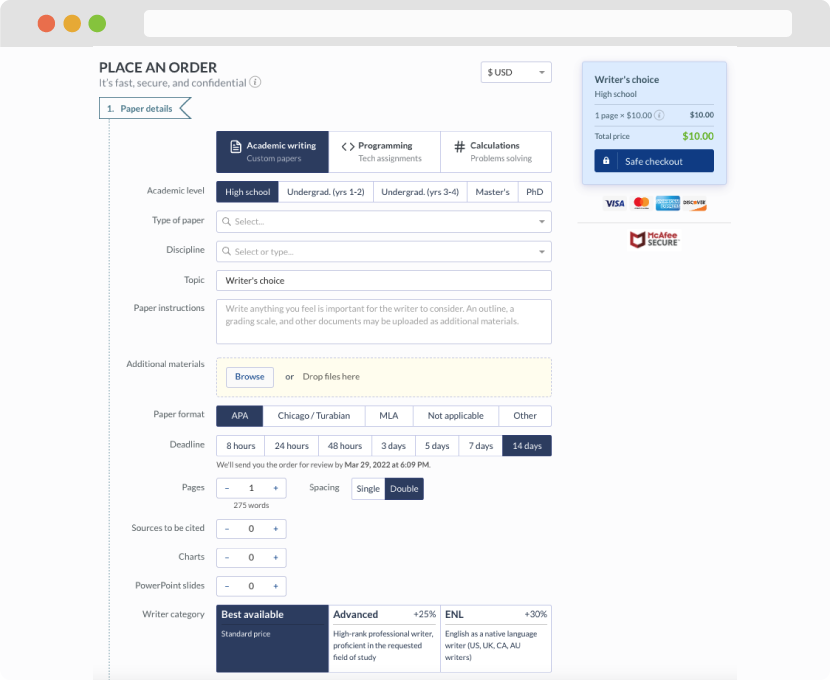
First, you will need to complete an order form. It's not difficult but, if anything is unclear, you may always chat with us so that we can guide you through it. On the order form, you will need to include some basic information concerning your order: subject, topic, number of pages, etc. We also encourage our clients to upload any relevant information or sources that will help.
Complete the order form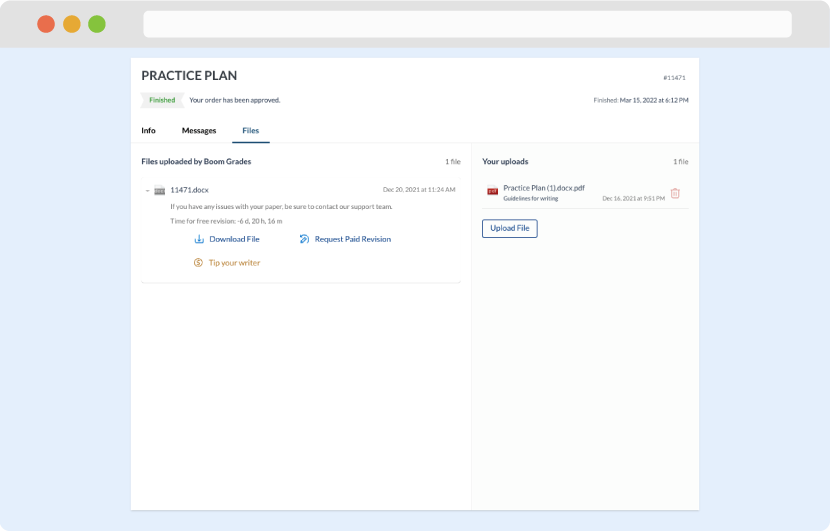
Once we have all the information and instructions that we need, we select the most suitable writer for your assignment. While everything seems to be clear, the writer, who has complete knowledge of the subject, may need clarification from you. It is at that point that you would receive a call or email from us.
Writer’s assignment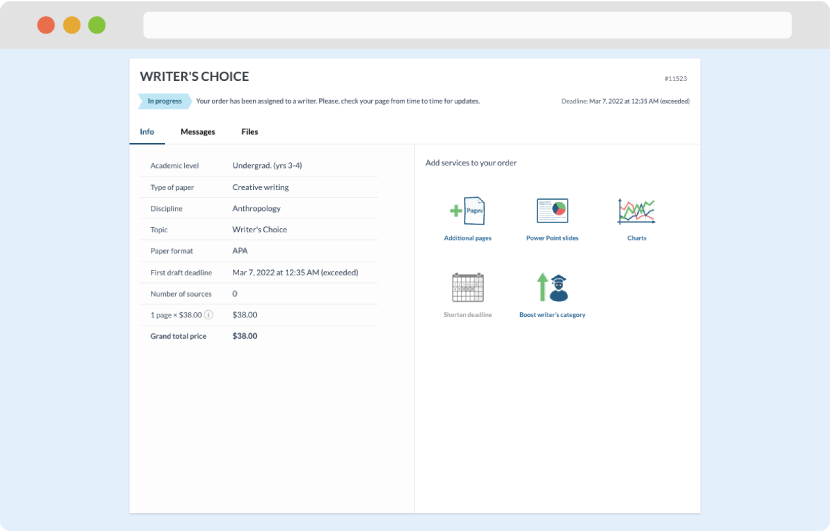
As soon as the writer has finished, it will be delivered both to the website and to your email address so that you will not miss it. If your deadline is close at hand, we will place a call to you to make sure that you receive the paper on time.
Completing the order and download