You will analyze the Medical Informatics case study in order to complete a draft of the schedule planning, risk planning, and risk control report. The detailed guidelines for what should be included in this draft are outlined below. You should use the headings provided in the outline as headings in your draft to ensure that you have considered all of the required elements.
Specifically, the draft of your project planning and controls report should include the following:
A. Project Schedule Planning: Using MS Project, develop a comprehensive project schedule plan outlining completion dates, tasks, and relevant milestones. You should include all relevant artifacts that pertain to scheduling aspects of the project plan. In your project schedule plan, you could consider: 1. Tasks that must be completed before others may begin 2. Tasks that can be done at the same time 3. Durations of each task 4. Planned vs. actual dates
B. Project Risk Planning: Craft a plan for identifying and monitoring risk. In your plan, you could consider: 1. The amount of uncertainty in the project and how to deal with it 2. The threats of greatest concern 3. How each threat should be dealt with
C. Risk Control: Determine corrective actions and controls to deal with uncertainty and its impact on the project, based on your risk plan. Ideas to consider may include: 1. Appropriate quantification of the risks (probability vs. impact) 2. Contingency funding or time buffers in place to handle threats
Executive Project Status Summary
Wellness Vendor Project
Key Milestones Date Status
Project Kick-Off Meeting
05/05/2015 Complete
Business Requirements Documented/Approved
07/31/2015 Complete
Module 1 Implementation
08/31/2015 Complete
Module 2 Implementation 9/30/2015 Complete
Module 3 Implementation 10/23/2015 Issues
End to end Testing 11/09/2015
Move to Production 11/27/2015 On Track
Project Closure 12/31/2015 On Track
Overall Project Status: Behind
Work Effort
Complete: 19%
Project Overview:
The reporting analytics team needs to expand the data warehouse to
ingest third party data feeds from wellness vendors. This information will
be incorporated downstream to employer group analytics and reporting
processes. This expansion will also be used to develop new activity
reports to message value on these products.
Issues / Risks
Issues:
Risks:
Project Manager has left the project. Project milestones are slated to be
behind after this week’s status update.
No updates at this time. New PM to be assigned.
Spend Type
Total Approved
Spend
Total Updated
Spend
% of
Approved Hours Estimated Hours-To-Date Spend-To-Date % Spend
Remaining
Spend % Remaining
Capital Expenditures 277,988$ $50,446 18% 2,342 53 $54,458 20% 223,531$ 80%
Operating Expense 163,662$ $225 1% 1,642 48 $3,825 2% 159,837$ 98%
Total Spend 441,650$ $50,671 19% 3,984 101 $58,283 22% 383,368$ 87%
Accomplishments this Period / Next Steps
Accomplishments:
Additional Contractor Onboarding – complete
Next Steps:
Assign Project Manger ASAP
Cost Detail Analysis Update Approved Spend 19% Complete
Updated By: Nicole Cobb
Project Overview: Business Reinvestment Project Manager: TBD Project Owner: Business Owner Project Sponsor: Sr. VP Operations
Updated Expected Completion Date: N/A IS Manager: N/A Original Expected Completion Date: 12/30/2015
– Confidential – 1
6
2
5
Final Project Case Study: Medical Informatics
Background
Medical Informatics, a leading health services company, embarked on a new product development project. Medical Informatics needs to expand its clinical data warehouse (CDW) to ingest third-party data feeds from wellness vendor and onsite clinic data to incorporate this information to downstream employer group analytics and r
eport
ing processes. This expansion will also be used to develop new activity reports to message value on these products.
The nature of the company’s business is that it operates in an extremely competitive environment that necessitates fast delivery to market so as to prevent competitor companies from gaining dominant market share with similar competitive products. Therefore, the key success factors of the project were time to market and quality. Cost of delivery was not a major concern.
Scope
The scope of the project was to create a modular software package to handle wellness vendor data to ensure appropriate preventative care is being tracked for members, including the systems changes, the vendor wellness database tables, and wellness vendor reporting. The project was divided into modules consisting of: wellness DB tables, promote tables, and wellness vendor reporting. A project manager was appointed, but has since left due to personal reasons.
Time Scales
The launch
date
was set as December 1, 201
5.
The product had to be ready for launch on this date, as all the marketing material would reflect this date and the launch had to precede the launch of similar products from competitors. The project kickoff was May 5, 20
15.
The tasks that had been completed prior to May 5, 2015 were the business case compilation and approval and the project team establishment.
Technology
The systems development was to be done using the MS Visual Studio programming language and SQL environment, which was new to the development team. The developers were sent on MS Visual Studio programming training two weeks prior to the project start. The developers were used to working in a Java programming environment and had not worked with any MS-oriented languages before. The new wellness vendor reports will integrate into the existing system located behind the intranet. These new reports, unlike the existing reports, will utilize both SQL Server and Teradata. SQL Server will control the security access and parameter selection for the reports. The application will then send the selected parameters to Teradata in order to populate the body of the report.
Infrastructure
Database Servers
· MS SQL Server 200
8
R
2
· Teradata 14
Reporting Servers
· The system will use an SSRS deployment server.
Development
Tools
· MS Visual Studio 2008 Shell
· SQL Server Business Intelligence Development Studio
· SQL Server Management Studio
Business Requirements
The current application will display the wellness vendor reports. The system generates SQL Server Reporting Services (SSRS) reports based on user-selected parameters. Users can choose to view reports in three formats: Excel
9
7
-2003 (XLS), Portable Document Format (PDF), or Comma Separated Value (CSV).
The exported data within Excel or CSV files will contain “user-friendly” headers and not database column headers.
Scripts will execute on a weekly basis to import the following vendor sources into the target system:
· Chip Rewards
· Spire
Scripts will execute on a monthly basis to import the following vendor sources into the target system:
MDLive.
Case Study Summary of Events
Business Case Development
The product development
department
developed the business case for the proposed new product, including projected cost/benefit analysis based on previous similar products and current market share. The business case was reviewed by executive management and approved.
Requirements Definition
The product development department developed the requirements specification for the new product. These requirements were specified based on the understanding level of the project team, which had many years of experience in the company and an extremely good understanding of the systems. Some of the finer details of the requirements, such as the reporting requirements and the final policy document wording, were not defined at this initial stage. The outstanding requirements would be agreed upon during the project, once the users had decided exactly what they wanted in this regard.
Project Team Appointment
John was appointed as the overall project manager. John had been with the company for 23 years and been involved in numerous projects for new product developments in the past. He knows the existing systems intimately and had good working relationships with all the various
departments
involved in product development and launch. The project team appointed consisted of people from various departments, all of whom had been involved in previous product development projects. Their knowledge of the systems and applications is extensive. After delivery of Module Two, John left due to personal reasons.
Project Kick-off
The product development executive, the sponsor of the project, chaired the project kick-off meeting, held on May 5, 2015. She emphasized the importance of the project to the company, as it would ensure good returns by getting the new product to market before its competitors. She stressed that the delivery date must not be compromised in any way, as this would open the doors for competitive products and the opportunity would be missed. The project manager and the team were asked to get busy immediately with their planning, and a follow-up meeting was set for August 5, 2015 to review the project plans.
Project Plan Development
The project team had been involved in many similar projects in the past, and thus knew exactly what the project entailed. For this reason the plans were based on previous historical information of past projects. The project plans included only the systems-related work. The interfacing to other areas, such as the legal department, marketing, and operations, would be handled by the project manager at the specific time required for their input. Project plans were drawn up using a scheduling tool. The phases and tasks were detailed, but resources were not allocated to the tasks, since resources knew exactly what their role was on the project and which tasks related to them. Task dependencies were not put into the plan, as this made the plan too complex. Dependencies were handled by each team member and by the project manager.
Project Plan Management
Management of the project plan consisted of updating tasks with their percentage complete on a weekly basis. Record of actual hours spent on specific tasks was deemed not necessary. Each resource gave an estimate of the percentage complete for each task, which was used to update the plan. Resource availability was handled in an informal manner whereby each resource gave feedback on a weekly basis regarding his or her workload on the project and other non-project work responsibilities, such as systems maintenance.
P
rogress
Reporting
Progress reports were produced every two weeks. These consisted of a progress summary, deliverables attained, percent complete, risks, issues, and cost information. (See the most recent
Wellness P
rogress
R
eport below.) Minutes were kept for some meetings. (See the most recent
Meeting Minutes
below.)
Initial progress was good, with all team members working well together. Programming started almost immediately, since the team knew the systems so well that they were able to make some of the required changes immediately. Some issues were identified with the user requirements, since not enough detail was in the requirements document. These issues were resolved between the programmers and the users. Some of the programmers experienced problems when they discovered they were working on the wrong version of the user requirements. This was resolved when the users printed out the current version of the requirements for all the team members to make sure they were all working on the current version.
Progress was not as fast as desired, due mainly to users changing their minds about the requirements. The programmers were very accommodating with such changes and tried their utmost to keep the users satisfied. Unfortunately, the number of changes and additional requirements requested by the users caused the work to fall behind
schedule
. When some of the programmers complained to the project manager, he said that it was essential that users received what they wanted, so their changes must be accommodated, even if it meant having to work extra hours to catch up.
The programming was also delayed from time to time due to technical problems experienced with the new development environment. The company did not have anyone experienced in the new development software, thus had to rely on vendor support, which was a bit lacking due to their commitments at other companies.
The sponsor became concerned with the project progress, since she felt there was a risk of not meeting the required delivery date. The programmers were working long hours to try catch up on the project work, as well as doing their required maintenance and problem fixing of the live systems. The legal department said that they may not be able to provide the policy document wording in time for the live date, due to other priorities. They said they may have been able to if they had known about it sooner. The user department said they may have a problem getting the test packs ready for user testing, as some staff were going on leave over the Thanksgiving period.
Initial testing revealed that the performance of some of the modules was very slow. This was resolved to some extent when it was found that some of the programmers had used inefficient coding, as they were new to the programming language being used. There were also a number of bugs reported, one of which causes the product to crash at least once a week. There are numerous change requests submitted by users for enhancements to the product.
John, the project manager, has left, and the project team is in complete disarray, and there seem to be issues between the architect and database administrators on just how the database supports the vendor reports. As of now the two areas are not working together to develop solutions for the issues. There also seems to be a loss of a defined testing strategy, which has cropped concerns with development and user acceptance. There is no existing method of capturing reported issues, or how to handle changes.
Management is unhappy about the project and there is no established communications method to inform them about the project status. The project is over budget by
20%
. The vendor is asking for pre-payment in order to deliver the third and final module for the final payment of $75,000, which was 75% of the total vendor cost. The module has not been tested yet. There is no communications plan, no risk plan, no systems implementation plan (to define how system implementation testing is handled), and no total cost of ownership (TCO) fee schedule. There is a conflict within the project team (e.g., team members have conflicting roles, or experience time pressure as a result of working in two positions within the organization simultaneously).
|
Client |
VP Operations |
Project Number |
W1005 |
|
|
Project |
Wellness Vendor |
Type of Project |
Development | |
|
Project Manager |
John Current |
Reporting Period |
Start: End: |
|
1 Progress Summary |
|
Programming work is almost complete and testing has begun. Unfortunately, it is going to take longer than planned to complete the programming due to changes requested by the users and errors made by the programmers using the new programming language. We are hoping that this time will be caught up by working overtime and reducing the testing time planned. |
|
2 Major Activities Completed before Reporting Period Commenced |
||
|
2. 1 |
Business case approved |
|
|
2.2 |
User requirements document completed |
|
|
2.3 |
Programming underway |
|
|
2.4 |
Unit testing underway |
|
|
2.5 |
Test pack compilation started |
|
3 Major Activities during Reporting Period |
|
|
3. 1 |
Programming continuing |
|
3.2 |
|
|
3.3 |
Test packs complete |
|
3.4 |
Implementation plan started |
|
3.5 |
Changes made per user requests to date |
|
4 |
Deliverables and Milestones |
|||||
|
No |
Description |
Baseline End Date |
Forecast or Actual End Date |
% Complete |
||
|
4. 1 |
Initial project plan |
|||||
|
4.2 |
Approved project charter |
|||||
|
4.3 |
Program code |
|||||
|
4.4 |
System testing |
|||||
|
4.5 |
User acceptance testing |
|||||
|
4.6 |
Go live |
|||||
|
4.7 |
Post implementation audit |
|||||
|
4.8 |
Project acceptance sign-off |
|
5 |
Risks |
Contingency Plan/Actions |
Impact (1-10) |
Probability (1-10) |
Score (I * P) |
Actionee |
Status |
|||||||||||||||
|
5.1 |
Delivery date may be missed due to changes in user requirements |
Work overtime to catch up |
8 |
40 |
JC |
Open |
||||||||||||||||
|
5.2 |
Project team members may take leave over the Thanksgiving holidays |
Plan leave into project schedule |
7 |
35 |
||||||||||||||||||
|
5.3 |
Other departments may not have resources to do the policy docs and testing when required |
Agree tasks with other departments |
6 |
48 |
|
6 |
Issues |
Due Date/ Status |
Action |
|
|
6. 1 |
Changes to requirements requested by the users are causing delays in project delivery |
9 |
Agree final requirements with the users |
|
|
6.2 |
Currently behind schedule with some tasks, but should be able to catch up without affecting the scheduled delivery date |
Work overtime | ||
|
6.3 |
Get final policy document wording from legal department |
Agree date with Legal Dept. |
||
|
6.4 |
Make sure Testers are available for required testing dates |
Agree resources and dates for testing with user departments |
7 List of Scope Change Requests
Date
Description
Client Approval
Impact
7.
1
No official change requests to date
|
8 Major Activities for Next Period |
|
|
8. 1 |
Complete programming |
|
8.2 |
Complete and get approval for project charter |
|
8.3 |
Start system testing |
|
8.4 |
Start planning for user acceptance test (compile test plan) |
|
8.5 |
Fix errors and omissions identified during testing |
|
8.6 |
Compile and agree implementation plan |
|
8 Budget Tracking |
|||||
|
Task/Phase |
Planned Cost (Baseline) |
Actual Cost to Date |
Remaining Cost |
Estimate at Completion |
Percent Variance |
|
441,650 |
230,892 |
210,758 |
529,980 |
20% |
Meeting Minutes
MEETING DATE: May 15, 2015
PROJECT: Wellness Vendor
SUBJECT: Weekly Progress
ATTENDEES: Roy Kirk (RK), John Current (JC), Kevin Smith (
KS
), project team members
APOLOGIES: Sue Barrett (Sponsor)
|
Item |
Minute |
Status / Due Date |
||||
|
1. |
JC to discuss user requirements changes impact with sponsor |
JC could not get meeting with sponsor |
Meeting Minutes
|
Testing plan to be drawn up and testers allocated by the user department |
|||
| 2. |
Leave schedule to be drawn up for all project staff to assess project schedule impact |
||
| 3. |
Legal department to give expected completion date for new policy document wording |
||
| 4. |
Machine needs to be booked and set up for training of testers and running of the user acceptance test |
KS | |
| 5. |
Testers to be identified by user departments and allocated for testing period required |
SB |
|
| 6. |
Current problems with system performance of the Java code to be escalated to vendor for urgent resolution |
Scope Change Requests
|
Change request description |
Due Date |
|
No official scope change requests to date |
Next meeting: 02/04/2002 (3pm. – 4pm) – Meeting Room 2.3
|
Item No. |
Problem Description Root Cause |
Proposed Resolution Action Proposed Preventative Action for Future Projects |
||||||
| 7. |
| 8. |
|
9. |
|
10. |
|
11. |
|
12. |
|
13. |
|
14. |
| 15. |
|
16. |
|
17. |
|
18. |
Wellness Vendor – Project Charter
Project Name: Wellness Vendor
Project Information
Project Number W1005 IS Request Number RW1005
Request Date July 1, 2015 Requester VP Operations
Request Name Wellness Vendor Business Unit IT
Business Area Information
Technology (IT)
Executive Sponsor Sr. VP Information
Systems
Project Owner Sr. VP
Information
Systems
Business Area Approver VP Operations
Overall Score 54
Scope & Objectives
Business Problem Addressed Create modular software package to handle wellness vendor data to
ensure appropriate preventative care is being tracked for members.
Request Vision & Scope Vendor wellness member tracking and management.
Business Assumptions &
Risks
Vendor data availability and format. Data analytics and reporting
capabilities.
Timing & Dependencies Go-live date: June 6, 2016
Narrative Summary of
Benefits
Increase vendor revenue, decrease inappropriate utilization of care,
and improve return on investment for wellness vendor programs.
Business / Strategic Alignment
Corporate Sustainability 9
Administrative Efficiency 9
Revenue Generating 9
Customer Service or
Experience
3
Member Touchpoint
Measures/Trends
3
Request Expands Scope of
Products & Services
3
Request contributes to IHM’s
Strategic Objectives
3
How This Request Supports
These Drivers
Increase in revenue
Strategic Score 39
Wellness Vendor – Project Charter
Risk / Compliance
Fulfill a Corporate
Requirement
15
Address a Federal / State
Mandate
0
Address an Association
Mandate
0
Address a Customer
Mandate
0
How This Request Supports
These Drivers
Increase preventative care management and administrative
cost internally.
Risk Score 15
Business Requirements
1. Vendor sends daily data input file for report analytics.
2. Send weekly vendor output analytics file (summarization of weekly activities) .
3. Vendor evaluates information for approval on correctness of data output.
4. Additional files, upon request sent to/from vendor.
5. Vendor I/S reporting (requires report prototypes).
Constraints/Exclusions
Project Exclusions N/A
Governing Agreements Governmental regulations and guidelines, vendor contract
language
Organizational Impact
Operations Vendor wellness programs , I/S technical support, report &
analytics
Call Center Customer service IT support
Product Management Wellness product management for modular software
Information Technology Wellness provider file layouts and reporting
Business Continuity &
Disaster Recovery
Data storage
Wellness Vendor – Project Charter
Risks
Risk Area Likelihood
Risk
Owner
Description
Vendor
Performance
High
All governmental regulations and standards must be in
compliance and maintained by vendor. All accreditation
standard(s) must be in compliance and maintained for vendor.
Resources
Resources Internal/External Estimated hours Role Description
Identified in project
plan
Internal
Refer to project
plan
document
Identified in project External
consultants
Refer to project 1. Vendor responsible for sending data file (input) . File layout determined and agreed upon by
all stakeholders. 3. Vendor determines weekly analytical reporting static report layouts. (Report mock-ups)
Project Team Roles and Responsibilities Role Name
(if available) Executive Sr. VP Operations
IS Contact Wellness Vendor – Project Charter Cost/Benefit Analysis Total Hours hours Total Estimate $
Wellness Vendor – Project Charter Milestones Desired Date Milestone Description
plan
plan
2. Send weekly output file to vendor.
Responsibility
Sponsor
PMO Contact
Project Manager
IS Manager
Total Labor Cost $
Other Costs $
Essay Writing Service Features
Our Experience
No matter how complex your assignment is, we can find the right professional for your specific task. Achiever Papers is an essay writing company that hires only the smartest minds to help you with your projects. Our expertise allows us to provide students with high-quality academic writing, editing & proofreading services.
Free Features
Free revision policy
$10Free bibliography & reference
$8Free title page
$8Free formatting
$8How Our Dissertation Writing Service Works
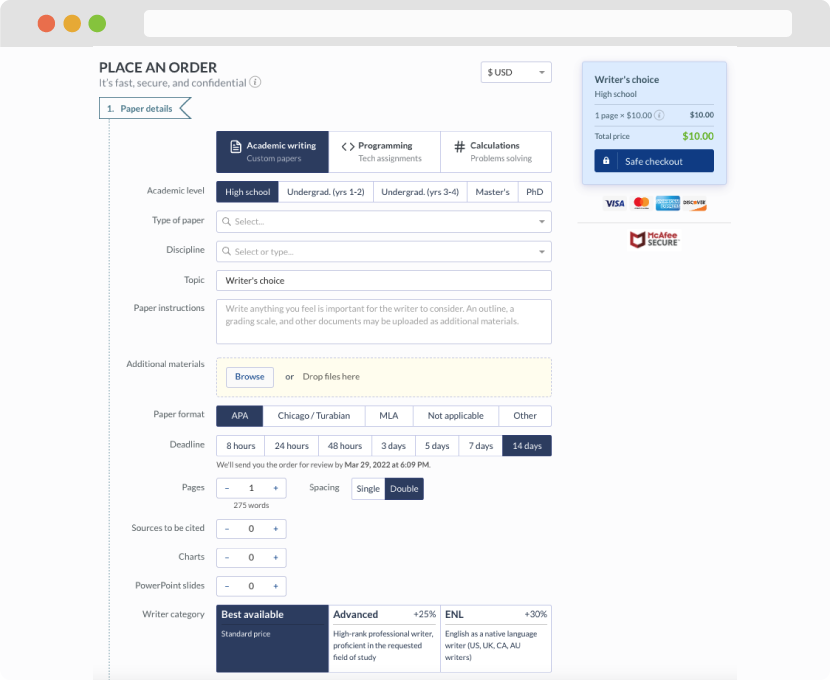
First, you will need to complete an order form. It's not difficult but, if anything is unclear, you may always chat with us so that we can guide you through it. On the order form, you will need to include some basic information concerning your order: subject, topic, number of pages, etc. We also encourage our clients to upload any relevant information or sources that will help.
Complete the order form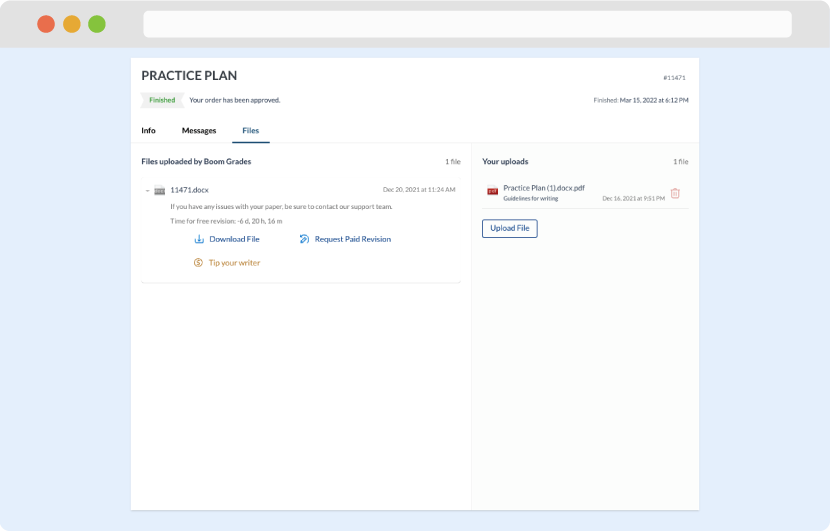
Once we have all the information and instructions that we need, we select the most suitable writer for your assignment. While everything seems to be clear, the writer, who has complete knowledge of the subject, may need clarification from you. It is at that point that you would receive a call or email from us.
Writer’s assignment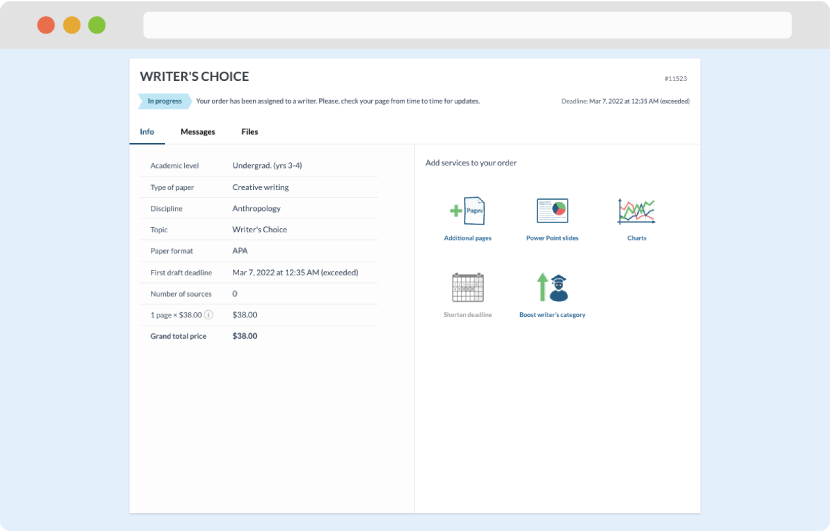
As soon as the writer has finished, it will be delivered both to the website and to your email address so that you will not miss it. If your deadline is close at hand, we will place a call to you to make sure that you receive the paper on time.
Completing the order and download