School of Computer & Information Sciences
ITS-631 Operational Excellence
Chapter 3 – Information Systems for Business
and Beyond (2019)
Learning Objectives
• define the term software;
• identify and describe the two primary categories of
software;
• describe the role ERP software plays in an organization;
• describe cloud computing and its advantages and
disadvantages for use in an organization; and
• define the term open-source and identify its primary
characteristics.
Software
• Two key categories
– Operating (manage the
hardware) and Application
Software (perform specific tasks
like word processing, accounting,
etc..).
• Operating Systems
– boot programs
– Manages PC resources
Application Software
• Used to accomplish specific goals like word processing or calculation.
• Productivity Software
– Word processing, Spreadsheet, Presentation.
Applications for Enterprise
• ERP Software
– SAP, Peoplesoft, etc…
– Implementation can take 2-3 years and several million dollars
• CRM Software
– Manages an organizations customers
– Example: Salesforce
• Supply Chain Management
– Links an organization’s suppliers, manufacturing facilities, and distributors of products.
Mobile Applications and Cloud Computing
• All mobile devices need specific mobile applications
– Smartphones
– Electronic Tablets
• The cloud refers to applications, services, and data storage
located on the Internet.
• Advantages and Disadvantages of Cloud Computing
• Understand
– Using a Private Cloud vs. Virtualization
Software Creation
• Various Computer Languages
– C
– C++
– Java
– Visual Basic
– Python
– R
– etc…
• Open-Source Software
– Allows various people to use the source code
References
• Bourgeous, D., Smith, J., Wang. S., Mortati, J.
(2019). Information Systems for Business and
Beyond. Retrieved from
https://opentextbook.site/informationsystem
s2019/.
School of Computer & Information Sciences
ITS-631- Operational Excellence
Chapter 3 – Information Technology and
Organizational Learning
Introduction
• Technology as a variable and responsive
organizational dynamism
• Focuses on defining the components of technology
and how they affect corporate organizations.
• Answers the questions: how should organizations
adjust to its short and long term impacts.
Technological Dynamism
• Technology should be regarded as a variable, independent of
others, that contributes to the life of a business operation.
• Technology can produce a distinctive effect on an
organization.
• Dynamism is defined as a process or mechanism responsible
for the development of motion of a system.
• Technological dynamism is the unpredictable and
accelerated way in which technology can change strategic
planning and organizational behavior.
Responsive Organizational Dynamism
• The technological dynamism has the power to disrupt any antecedent sense of comfortable
equilibrium of stasis.
• Strategic integration
• Cultural assimilation
Cultural Assimilation
• A process that focuses on organizational aspects of
how technology is internally organized including
the role of the IT department, and how it is
assimilated within the organization as a whole.
• IT Organization Communications with Others
• Movement of Traditional IT Staff
Technology Business Cycle
• To better understand technology dynamism it is necessary to
define the specific steps that occur during its evolution in an
organization:
IT Roles and Responsibilities and Replacement or
Outsource
• Two distinct business operations
• IT need to change accordingly and should be designed within the driver and supporter theory
• Replacement or Outsource
References
• Langer, A. M. (2018). Information Technology
and Organizational Learning. 3rd edition.
Taylor & Francis Group, LLC. ISBN: 978-1-138-
23858-9
School of Computer & Information Sciences
ITS-631 Operational Excellence
Chapter 4 – Information Systems for Business
and Beyond (2019)
Learning Objectives
• Describe the differences between data, information, and
knowledge;
• Describe why database technology must be used for data resource
management;
• Define the term database and identify the steps to creating one;
• Describe the role of a database management system;
• Describe the characteristics of a data warehouse; and
• Define data mining and describe its role in an organization.
Data, Information, Knowledge, Wisdom
• These terms are used interchangeably but are
different.
– Data- raw facts
– Information- processed data
– Knowledge- relationships among facts/concepts
– Explicit –can be expressed into words
– Tacit – difficult to transfer via simple
communication
– Wisdom – combines knowledge and experience
to obtain a deeper understanding of a topic.
Data and Databases
• Big Data
– Large sets of data in which you need to determine the best
methods to manage the data
• Databases
– Place that houses data
– Common defects of data resource management
• No control of redundant data
• Violation of data integrity
• Relying on human memory to store and search needed data
Data Models and Relational Databases
• Databases can be organized in many different ways
– Relational database
Designing a Database
• Tables
– The information to be built
• Primary Key
– The unique identifier to link
data together in the tables
Normalization and Data Types
• Normalization
– Reduces data redundancy
– Ensures data integrity
• Data Types
– Text
– Number
– Boolean
– Date/Time
– Currency
– Paragraph Text
– Object
Database Management Systems
• DBMS provide an interface to view and change the design of the database
• Databases must be used by multiple users to be effective
• Microsoft Access and Open Office Base = examples of personal database-management
systems
• Structured Query Language (SQL)- the method to work with structured databases
Value in Business Intelligence and Knowledge
Management
• Data Visualization
• Data Warehouses
• Data Mining and Machine Learning
• Don’t forget about privacy and security concerns when
dealing with data
• Knowledge Management
– Companies accumulate knowledge and need a method of
extracting the data to make informed decisions.
References
• Bourgeous, D., Smith, J., Wang. S., Mortati, J.
(2019). Information Systems for Business and
Beyond. Retrieved from
https://opentextbook.site/informationsystem
s2019/.
Essay Writing Service Features
Our Experience
No matter how complex your assignment is, we can find the right professional for your specific task. Achiever Papers is an essay writing company that hires only the smartest minds to help you with your projects. Our expertise allows us to provide students with high-quality academic writing, editing & proofreading services.
Free Features
Free revision policy
$10Free bibliography & reference
$8Free title page
$8Free formatting
$8How Our Dissertation Writing Service Works
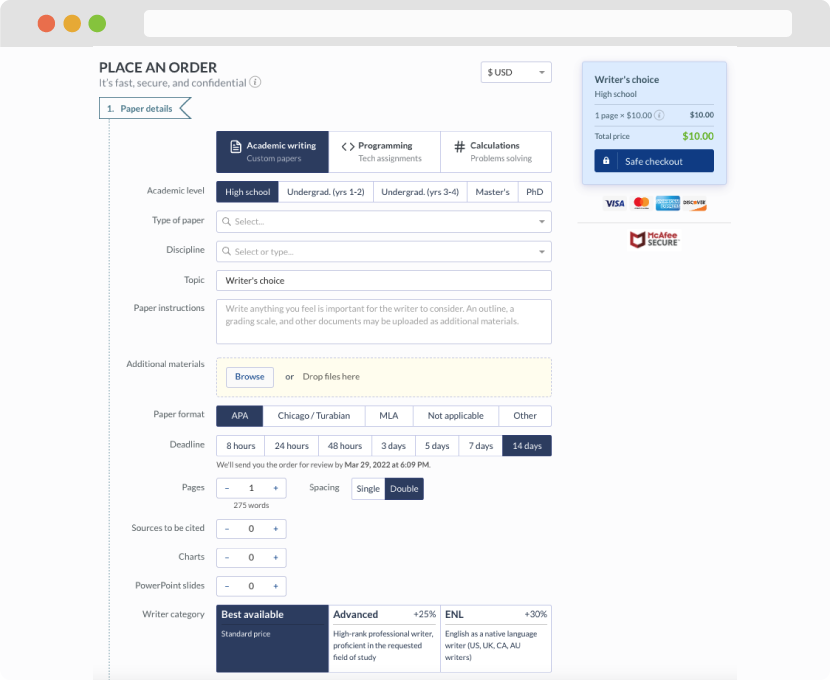
First, you will need to complete an order form. It's not difficult but, if anything is unclear, you may always chat with us so that we can guide you through it. On the order form, you will need to include some basic information concerning your order: subject, topic, number of pages, etc. We also encourage our clients to upload any relevant information or sources that will help.
Complete the order form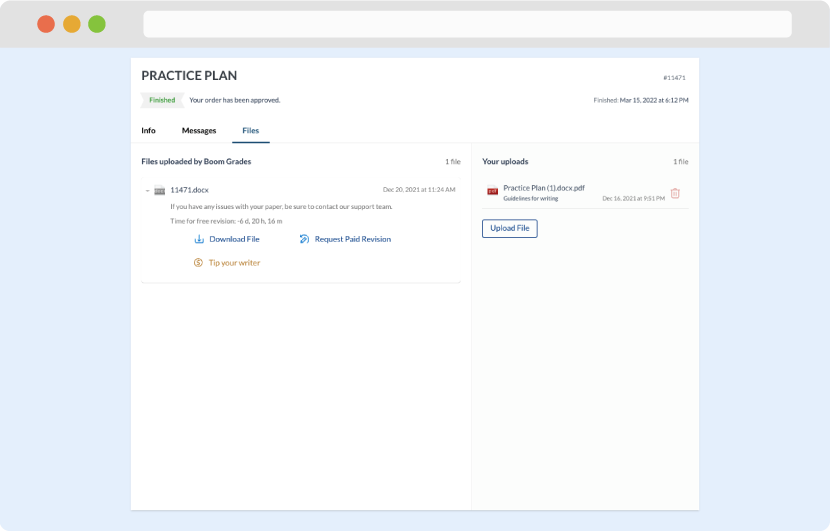
Once we have all the information and instructions that we need, we select the most suitable writer for your assignment. While everything seems to be clear, the writer, who has complete knowledge of the subject, may need clarification from you. It is at that point that you would receive a call or email from us.
Writer’s assignment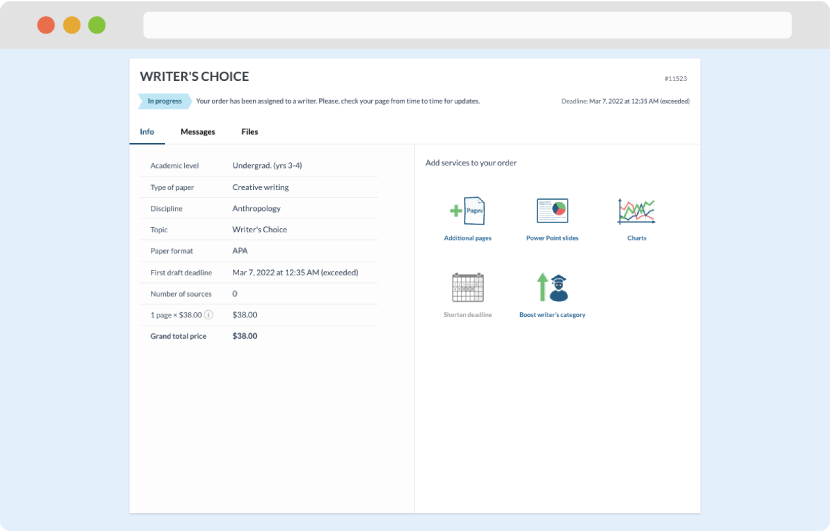
As soon as the writer has finished, it will be delivered both to the website and to your email address so that you will not miss it. If your deadline is close at hand, we will place a call to you to make sure that you receive the paper on time.
Completing the order and download