1. The equipment has a delivered cost of $205,000. An additional $4,000 is required to install and test the new system.
2. The new pumping system is classified by the IRS as 5-year property, although it has an 8-year estimated service life. For assets classified by the IRS as 5-year property, the Modified Accelerated Cost Recovery System (MACRS) permits the company to depreciate the asset over 6 years at the following rates: Year 1 = 20 percent, Year 2 = 32 percent, Year 3 = 19 percent, Year 4 = 12 percent, Year 5 = 11 percent, Year 6 = 6 percent. At the end of 8 years, the salvage value is expected to be around 5 percent of the original purchase price, so the best estimate of salvage value at the end of the equipment’s service life is $5,300, with removal costs of $1,200.
3. The existing pumping system was purchased at $45,000 eight years ago and has been depreciated on a straight-line basis over its economic life of 10 years. If the existing system is removed from the well and crated for pickup, it can be sold for $3,500 before tax. It will cost $1,000 to remove the system and crate it.
4. At the time of replacement, the firm will need to increase its net working capital requirements by $4,500 to support inventories.
5. The new pumping system offers lower maintenance costs and frees personnel who would otherwise have to monitor the system. In addition, it reduces product wastage because of a higher cooling efficiency. In total, it is estimated that the yearly savings will amount to $25,000 if the new pumping system is used.
6. The firm has its target debt ratio of 30 percent, and its cost of new debt is 10 percent. Its expected dividend per share next year, D1, is $2.00 with a future growth rate of 6 percent per year. The firm’s current stock price, P0, is $40.00. The firm uses its overall weighted average cost of capital in evaluating average risk projects, and the replacement project is perceived to be of average risk.
7. The firm’s federal-plus-state tax rate is 30 percent, and this rate is projected to remain fairly constant into the future.
QUESTIONS (Please show all your work either through Excel formulas/equations on the Cash Flow Estimation Worksheet or in separate tables at the bottom of your spreadsheet)
1. Compute the firm’s weighted average cost of capital given the info/data in the case. What other approaches/methods can be used to measure the firm’s cost of equity and thus its WACC? To that end, what additional info/data would you need? (Hint: A firm’s weighted average cost of capital is equal to ???????? = ????????(????????)(1 – t) + ????????????????, where ???????? and ???????? are the weights of debt and equity in the capital structure; ???????? and ???????? are the respective costs of debt and equity; and t is the corporate tax rate; Do no round up your WACC figure.)
2. Develop a capital budgeting schedule using the attached Cash Flow Estimation Worksheet (Excel spreadsheet) that should list all relevant cash flow items and amounts related to the replacement project over the 8-year expected life of the new pumping system.
3. Based on the capital budgeting schedule, evaluate the replacement project by computing NV, IRR, MIRR, and Payback Period. Would you recommend to accept or reject the replacement project based solely on your DCF analysis so far?
4. Before you make the final accept/reject decision, what other factors and approaches would you consider further? Discuss also how to PRACTICALLY take into account those factors and approaches in the capital budgeting decision process, whenever applicable
>Sheet FALCON LLE PUMP COMPANY – CASH FLOW ESTIMATION WORK WORKSHEET
000
0
0
= = = 1
1. The equipment has a delivered cost of $205,000. An additional $4,000 is required to install
and test the new system.
2. The new pumping system is classified by the IRS as 5-year property, although it has an
8-year estimated service life. For assets classified by the IRS as 5-year property, the
Modified Accelerated Cost Recovery System (MACRS) permits the company to depreciate
the asset over 6 years at the following rates: Year 1 = 20 percent, Year 2 = 32 percent,
Year 3 = 19 percent, Year 4 = 12 percent, Year 5 = 11 percent, Year 6 = 6 percent. At the 2 end of 8 years, the salvage value is expected to be around 5 percent of the original
purchase price, so the best estimate of salvage value at the end of the equipment’s service
life is $5,300, with removal costs of $1,200.
3. The existing pumping system was purchased at $45,000 eight years ago and has been
depreciated on a straight-line basis over its economic life of 10 years. If the existing system
is removed from the well and crated for pickup, it can be sold for $3,500 before tax. It will
cost $1,000 to remove the system and crate it.
4. At the time of replacement, the firm will need to increase its net working capital
requirements by $4,500 to support inventories.
5. The new pumping system offers lower maintenance costs and frees personnel who would
otherwise have to monitor the system. In addition, it reduces product wastage because of
a higher cooling efficiency. In total, it is estimated that the yearly savings will amount to
$25,000 if the new pumping system is used.
6. The firm has its target debt ratio of 30 percent, and its cost of new debt is 10 percent. Its
expected dividend per share next year, D1, is $2.00 with a future growth rate of 6 percent
per year. The firm’s current stock price, P0, is $40.00. The firm uses its overall weighted
average cost of capital in evaluating average risk projects, and the replacement project is
perceived to be of average risk.
7. The firm’s federal-plus-state tax rate is 30 percent, and this rate is projected to remain
fairly constant into the future.
QUESTIONS
(Please show all your work either through Excel formulas/equations on the Cash Flow
Estimation Worksheet or in separate tables at the bottom of your spreadsheet, whenever
applicable. NO WORK SHOWN, NO POINTS.)
1. Compute the firm’s weighted average cost of capital given the info/data in the case. What
other approaches/methods can be used to measure the firm’s cost of equity and thus
its WACC? To that end, what additional info/data would you need? (Hint: A firm’s
weighted average cost of capital is equal to 𝐾𝑎 = 𝑊𝑑(𝐾𝑑)(1 – t) + 𝑊𝑒𝐾𝑒, where 𝑊𝑑 and
𝑊𝑒 are the weights of debt and equity in the capital structure; 𝐾𝑑 and 𝐾𝑒 are the
respective costs of debt and equity; and t is the corporate tax rate; Do no round up
your WACC figure.) 3
2. Develop a capital budgeting schedule using the attached Cash Flow Estimation Worksheet
(Excel spreadsheet) that should list all relevant cash flow items and amounts related
to the replacement project over the 8-year expected life of the new pumping system.
3. Based on the capital budgeting schedule, evaluate the replacement project by computing
NV, IRR, MIRR, and Payback Period. Would you recommend to accept or reject the
replacement project based solely on your DCF analysis so far?
4. Before you make the final accept/reject decision, what other factors and approaches would
you consider further? Discuss also how to PRACTICALLY take into account those
factors and approaches in the capital budgeting decision process, whenever
applicable
( 1
1. The equipment has a delivered cost of $205,000. An additional $4,000 is required to install
and test the new system.
2. The new pumping system is classified by the IRS as 5-year property, although it has an
8-year estimated service life. For assets classified by the IRS as 5-year property, the
Modified Accelerated Cost Recovery System (MACRS) permits the company to depreciate
the asset over 6 years at the following rates: Year 1 = 20 percent, Year 2 = 32 percent,
Year 3 = 19 percent, Year 4 = 12 percent, Year 5 = 11 percent, Year 6 = 6 percent. At the 2 end of 8 years, the salvage value is expected to be around 5 percent of the original
purchase price, so the best estimate of salvage value at the end of the equipment’s service
life is $5,300, with removal costs of $1,200.
3. The existing pumping system was purchased at $45,000 eight years ago and has been
depreciated on a straight-line basis over its economic life of 10 years. If the existing system
is removed from the well and crated for pickup, it can be sold for $3,500 before tax. It will
cost $1,000 to remove the system and crate it.
4. At the time of replacement, the firm will need to increase its net working capital
requirements by $4,500 to support inventories.
5. The new pumping system offers lower maintenance costs and frees personnel who would
otherwise have to monitor the system. In addition, it reduces product wastage because of
a higher cooling efficiency. In total, it is estimated that the yearly savings will amount to
$25,000 if the new pumping system is used.
6. The firm has its target debt ratio of 30 percent, and its cost of new debt is 10 percent. Its
expected dividend per share next year, D1, is $2.00 with a future growth rate of 6 percent
per year. The firm’s current stock price, P0, is $40.00. The firm uses its overall weighted
average cost of capital in evaluating average risk projects, and the replacement project is
perceived to be of average risk.
7. The firm’s federal-plus-state tax rate is 30 percent, and this rate is projected to remain
fairly constant into the future.
QUESTIONS
(Please show all your work either through Excel formulas/equations on the Cash Flow
Estimation Worksheet or in separate tables at the bottom of your spreadsheet, whenever
applicable. NO WORK SHOWN, NO POINTS.)
1. Compute the firm’s weighted average cost of capital given the info/data in the case. What
other approaches/methods can be used to measure the firm’s cost of equity and thus
its WACC? To that end, what additional info/data would you need? (Hint: A firm’s
weighted average cost of capital is equal to 𝐾𝑎 = 𝑊𝑑(𝐾𝑑)(1 – t) + 𝑊𝑒𝐾𝑒, where 𝑊𝑑 and
𝑊𝑒 are the weights of debt and equity in the capital structure; 𝐾𝑑 and 𝐾𝑒 are the
respective costs of debt and equity; and t is the corporate tax rate; Do no round up
your WACC figure.) 3
2. Develop a capital budgeting schedule using the attached Cash Flow Estimation Worksheet
(Excel spreadsheet) that should list all relevant cash flow items and amounts related
to the replacement project over the 8-year expected life of the new pumping system.
3. Based on the capital budgeting schedule, evaluate the replacement project by computing
NV, IRR, MIRR, and Payback Period. Would you recommend to accept or reject the
replacement project based solely on your DCF analysis so far?
4. Before you make the final accept/reject decision, what other factors and approaches would
you consider further? Discuss also how to PRACTICALLY take into account those
factors and approaches in the capital budgeting decision process, whenever
applicable
( 1
V
I
Input Data
New pump
Cost of NEW equipment
20
9
Annual dep. of old equipment
Salvage value new equipment
10
4
5
OLD equipment’s depreciable life left
Cost of old equipment
Old equipment’s depreciated years
Depreciation of old equipment till date
Annal cost savings
Salvage value of old equipment
Removal cost of old equipment
Tax rate
Removal cost of new equipment
WACC
Net working capital requirement
t
=
t=1
t=2
t=
3
t=4
t=5
t=
6
t=
7
t=
8
I
INVESTMENT OUTLAY
1
2
3
4
5
6
II
OPERATING CASH FLOWS OVER THE PROJECT’S LIFE
7
8
9
10
11
12
III
TERMINAL YEAR CASH FLOWS
13
14
15
16
17
IV
NET CASH FLOWS
18
V
RESULTS
NPV
IRR
MIRR
Payback period =
DECISION BASED ON YOUR ANALYSIS:
ANSWERS TO QUESTIONS:
Q#1:
Q#2:
Q#3:
Q#4:
Sheet2
Sheet3
Essay Writing Service Features
Our Experience
No matter how complex your assignment is, we can find the right professional for your specific task. Achiever Papers is an essay writing company that hires only the smartest minds to help you with your projects. Our expertise allows us to provide students with high-quality academic writing, editing & proofreading services.
Free Features
Free revision policy
$10Free bibliography & reference
$8Free title page
$8Free formatting
$8How Our Dissertation Writing Service Works
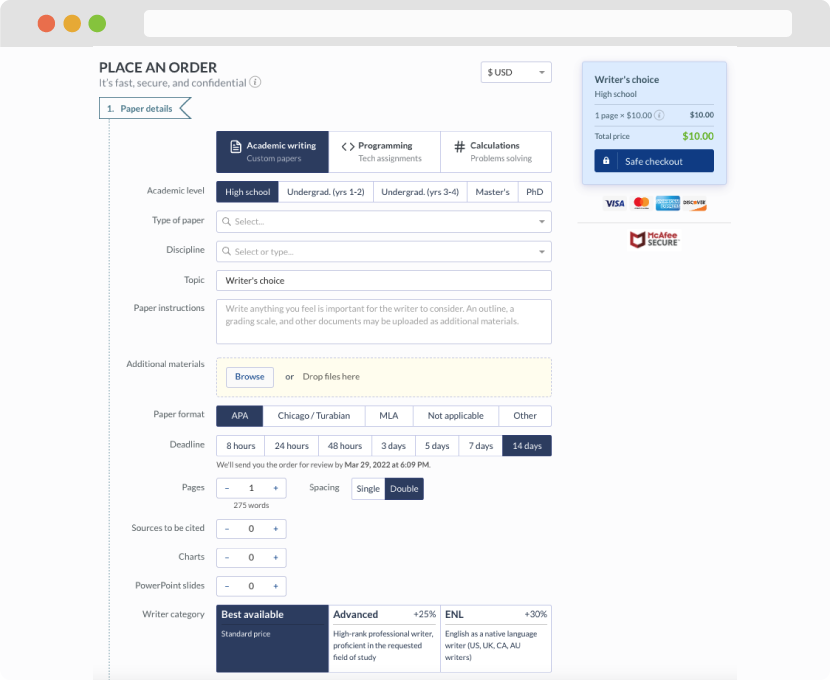
First, you will need to complete an order form. It's not difficult but, if anything is unclear, you may always chat with us so that we can guide you through it. On the order form, you will need to include some basic information concerning your order: subject, topic, number of pages, etc. We also encourage our clients to upload any relevant information or sources that will help.
Complete the order form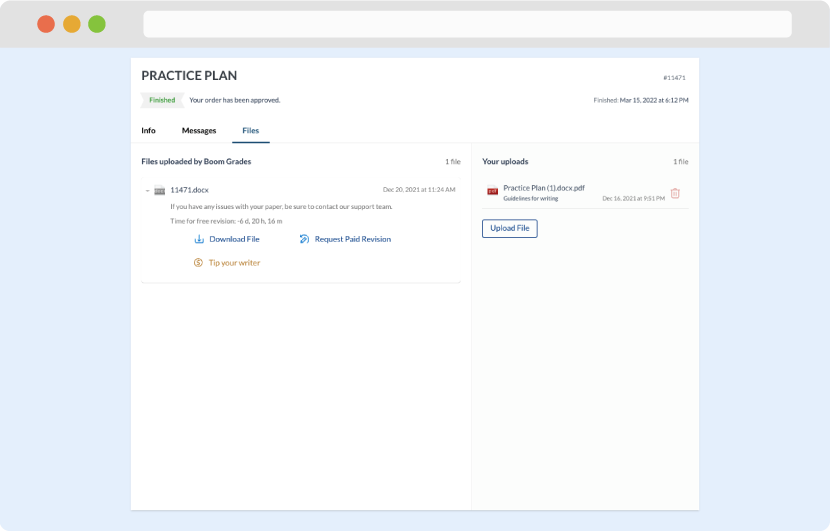
Once we have all the information and instructions that we need, we select the most suitable writer for your assignment. While everything seems to be clear, the writer, who has complete knowledge of the subject, may need clarification from you. It is at that point that you would receive a call or email from us.
Writer’s assignment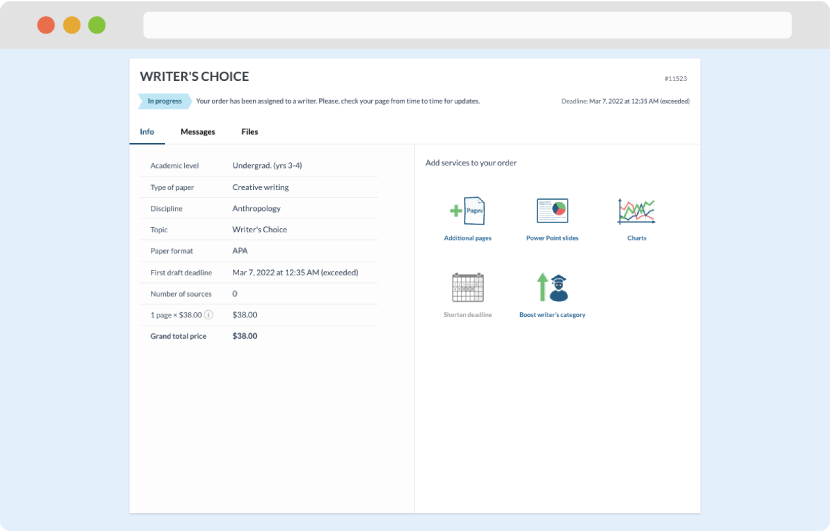
As soon as the writer has finished, it will be delivered both to the website and to your email address so that you will not miss it. If your deadline is close at hand, we will place a call to you to make sure that you receive the paper on time.
Completing the order and download