Evaluation Title: Notetaking
Read the article using your chosen model of note taking (from Unit 2).
Using the identified article, provide the following information:
Provide the APA reference for each article.
Set up the assignment as follows:
I. Title Page
II. 1-2 page Summary
III. Abstract
IV. Thesis Claim Statement
V. Article reference
RESEARCH ARTICLE Open Access
Engaging patients in health research:
identifying research priorities through
community town halls
Holly Etchegary1*, Lisa Bishop2, Catherine Street3, Kris Aubrey-Bassler4, Dale Humphries3, Lidewij Eva Vat3
and Brendan Barrett5
Abstract
Background: The vision of Canada’s Strategy for Patient-Oriented Research is that patients be actively engaged as
partners in health research. Support units have been created across Canada to build capacity in patient-oriented
research and facilitate its conduct. This study aimed to explore patients’ health research priorities in the province of
Newfoundland and Labrador (NL).
Methods: Eight town halls were held with members of the general public in rural and urban settings across the
province. Sessions were a hybrid information-consultation event, with key questions about health research priorities
and outcomes guiding the discussion.
Results: Sixty eight members of the public attended town hall sessions. A broad range of health experiences in the
healthcare system were recounted. Key priorities for the public included access and availability of providers and
services, disease prevention and health promotion, and follow-up support and community care. In discussing their
health research priorities, participants spontaneously raised a broad range of suggestions for improving the
healthcare system in our jurisdiction.
Conclusions: Public research priorities and suggestions for improving the provision of healthcare provide valuable
information to guide Support Units’ planning and priority-setting processes. A range of research areas were raised
as priorities for patients that are likely comparable to other healthcare systems. These create a number of health
research questions that would be in line with public priorities. Findings also provide lessons learned for others and
add to the evidence base on patient engagement methods.
Keywords: Patient engagement, Research partners, Research priorities, Health, Town halls initiatives
Background
Engaged patients are research partners, involved in the
planning, conduct and governance of health research,
rather than serving as passive study subjects [1–3]. Patient
engagement could improve the relevance of health
research, facilitate the adoption of research findings into
practice, and ultimately improve patient outcomes [1–7]. A
continuum of engagement ranges from informing and con-
sulting, to collaboration with researchers, to empowering,
patient-led projects [8–10]. Patients can be engaged at all
levels, including identifying study topics, collecting data or
disseminating findings [1, 3, 9, 11].
In line with international patient engagement move-
ments [11, 12], the Canadian Institutes of Health
Research (CIHR) announced Canada’s Strategy for
Patient-Oriented Research (SPOR) in 2011. Its vision is
that “patients are active partners in health research that
will lead to improved health outcomes and an enhanced
health care system [13].” A key goal was the creation of
Support for People and Patient-Oriented Research and
Trials (SUPPORT) Units across the country whose
mandate is to facilitate patient-engaged research on jur-
isdictional priorities.
* Correspondence: holly.etchegary@med.mun.ca
1Clinical Epidemiology, Public engagement lead, NL SUPPORT, Faculty of
Medicine, Memorial University, Craig L. Dobbin Centre for Genetics, Rm
4M210, St. John’s, NL A1B 3V6, Canada
Full list of author information is available at the end of the article
© The Author(s). 2017 Open Access This article is distributed under the terms of the Creative Commons Attribution 4.0
International License (http://creativecommons.org/licenses/by/4.0/), which permits unrestricted use, distribution, and
reproduction in any medium, provided you give appropriate credit to the original author(s) and the source, provide a link to
the Creative Commons license, and indicate if changes were made. The Creative Commons Public Domain Dedication waiver
(http://creativecommons.org/publicdomain/zero/1.0/) applies to the data made available in this article, unless otherwise stated.
Etchegary et al. BMC Health Services Research (2017) 17:192
DOI 10.1186/s12913-017-2138-y
http://crossmark.crossref.org/dialog/?doi=10.1186/s12913-017-2138-y&domain=pdf
mailto:holly.etchegary@med.mun.ca
http://creativecommons.org/licenses/by/4.0/
http://creativecommons.org/publicdomain/zero/1.0/
The methods and impact of patient engagement are
under-described [3]. Most studies provide little detail
about engagement processes, few evaluate its impact
over time, and uncertainty remains about best practices
for supporting engagement [3, 9, 14]. Systematic reviews
[3, 9, 15] reveal patient engagement is most common in
the early stages of research, and a recent review highlighted
how patient-identified priorities helped shaped research
programs in Rheumatology, Venous Thromboembolism,
and Paget’s disease [16]. However, research is often not
aligned with the priorities of patients. For example, the
James Lind Alliance analysed over 300 studies reporting
research priorities and found that most described the
priorities of researchers, not patients [17].
This article describes a patient engagement exercise
at Memorial University in Newfoundland and Labrador
(NL), Canada. A broad view of ‘patient’ was adopted,
referring to any member of the general public who had
experience with the healthcare system as a patient at
some point in their lives. Common methods of engage-
ment for exploring research priorities include meetings,
workshops and focus groups [3, 16, 18]. This study
used a town hall meeting format.
Objectives
To explore health research priorities and outcomes of
the public and to contribute to the evidence base on
patient-oriented research.
Methods
Approval was granted by the Newfoundland and Labrador
Health Research Ethics Authority (Project Approval #
15.057).
Planning sessions
The NL SUPPORT Unit partnered with a local SPOR
research network, PRIIME (Primary Healthcare Research
and Integration to Improve Health System Efficiency) to
conduct town halls. Sessions were planned during
monthly meetings in early 2015. The team was com-
prised of two clinicians, a pharmacist, and health re-
searchers from a variety of areas (e.g., genetics, public
health, primary care). All supported patient engagement
in research and were committed to facilitating open, re-
spectful discussion on patient-identified priorities and
outcomes. Communication assistance was not offered
for town halls, which could have precluded participation
from some members of the public. No translation ser-
vices were thought to be required as the population in
this jurisdiction is largely homogenous (white, English-
speaking, and middle class), and none was required.
Town hall sessions
Town halls were a hybrid information-consultation ses-
sion led by a team member with facilitation experience
(HE). A 15–20 min presentation was developed, which
introduced the idea of CIHR’s SPOR and provided an
overview of the research initiative at Memorial. Discus-
sion was centered around two questions to gather data
on public priorities (Table 1). These were developed
prior to sessions in order to facilitate discussion, but also
to maintain consistency across town halls.
At least two other team members attended each ses-
sion. At the beginning of sessions, team members
introduced themselves and explained their interest
and endorsement of patient engagement with health
research. In this way, an encouraging and supportive
environment for conversation was created. Ground
rules were explained following introductions, namely
that no names were required or would be attached to
any comments; we were interested only in summariz-
ing participants’ ideas. We also asked that participants
respect others’ views, acknowledging that everyone’s
experience and priorities could be different. Partici-
pants were encouraged to share their views, even if
these were different from those expressed and to give
each other time to speak before commenting. The fa-
cilitator made every effort to encourage all partici-
pants to share their thoughts and moved conversation
back to the key question if it became sidetracked with
any one participant’s experience. This was generally
done by asking if other participants had similar experi-
ences or asking how this might be translated into a
health research question or outcome.
Recruitment
Sessions were planned in rural and urban settings. Post-
ers were widely distributed to community organizations
and posted in public locations (e.g., pharmacies, post of-
fice). Sessions were advertised on PRIIME and NL SUP-
PORT’s websites, and research team members extended
invitations to their networks. Local call-in radio pro-
grams were used, as well as promotion by community
organizations through websites and word-of-mouth.
Data collection
Audio recordings of sessions were taken with two digital
recorders placed at opposite ends of the room. A survey
Table 1 Research questions used during town hall meetings
1. We are interested in what kind of health research projects are of
interest to you. If you could think about a worry or concern about
healthcare in this province that needs to be our top priority, what
would that be?
2. We want to know what you would like to see happen as a result of
health research. As a patient, what are the outcomes you might want
to see as a result of health research?
Etchegary et al. BMC Health Services Research (2017) 17:192 Page 2 of 7
booklet containing the two questions above, as well as
standard demographic items and three evaluation ques-
tions about the usefulness of a town hall format, was
developed and provided to participants during the intro-
duction of the session. Participants were encouraged to
complete the demographic items and record any
thoughts in response to the questions and conversation
as the session progressed. Detailed notes, including
quotes from participants, were taken by all members; flip
charts were used to record key ideas, in particular health
research areas identified by participants which were out-
lined in bullet form. Debriefing meetings were held
where researchers’ observations and reflections about
sessions were recorded. These meetings allowed re-
searchers to review notes and discuss key areas of health
research identified by participants as sessions pro-
gressed. This allowed a good understanding of issues
raised in prior sessions and anticipatory reflection of
what might be discussed at upcoming town halls (or easy
identification of different ideas raised).
Data analysis
Flip chart recordings, team members’ detailed notes, and
data from completed survey booklets comprise the data
for analysis. No pre-existing framework was developed
in advance of the analysis; rather, an inductive approach
was used to allow categories to emerge from the data.
No qualitative software was used to manage the data.
Qualitative description [19] was used to explore partici-
pant comments by HE and LB. This type of naturalistic
inquiry made no a priori theoretical or philosophical as-
sumptions about the data. The data are presented in the
language of participants, resulting in a comprehensive
summary of participants’ ideas.
Results
Eight town halls sessions were held across the province
with 68 members of the public (Table 2). Sessions lasted
an average 1.5 h. Most participants did not complete sur-
vey booklets, preferring to engage in discussion. Thus,
demographic information was not consistently captured.
Observation indicated that participants represented a
broad range of ages and backgrounds, with more females
than males in attendance.
Thematic analysis
All data elements were first read independently by HE
and LB. Through an iterative process of reading the data,
discussing, and rereading, these investigators consensu-
ally validated emerging categories. Data were compared
between and within town hall sessions using constant
comparative analysis [19, 20]. Constant comparison re-
quires a constant shifting back and forth between data
elements to establish analytical categories and themes,
as well as their boundaries. For example, participants
often talked about problems with accessing health ser-
vices, making it a key theme. However, constant reading
of the data revealed various foci of access, such as pri-
mary care and specialist services. Once HE and LB
reached consensus, the summary of themes was pre-
sented to a subgroup of team members who had
attended sessions for discussion. No new themes were
identified.
The public’s priorities for health research are described
under: 1) Access and availability of healthcare services;
2) Disease prevention, health promotion and healthy
aging; 3) Survivorship, follow-up support and commu-
nity care. Potential solutions spontaneously raised by
participants are also described.
Access and availability of services
The most frequently raised priority for the public was
access to healthcare services.
“I am here for two years and I am not able to find a
physician.”
Even when people had a family physician, getting an
appointment was not timely. “You have to make an ap-
pointment with your family doctor before you get sick.”
On-call services and after-hours access to family physi-
cians, in particular to avoid unnecessary trips to the ER,
were frequent concerns.
Table 2 Town hall session information
Town hall location Date Audience Number attended
Church hall, St. John’s April 2015 General public, mixed ages 21
Municipal office, Ferryland June 2015 General public, mixed ages 4 (3 male)
Mall Walkers Club – senior’s group, St. John’s October 2015 General public, most >65 years of age 15 (2 male)
Seniors Bridging Cultures – a senior’s group, St. John’s November 2015 General public, >65 years of age 12 (4 male)
West Coast Tour, 4 communities
Grand Falls-Windsor
Deer Lake
Corner Brook
Port aux Basques
May 2016 General public, mixed ages 16 (4 male)
Etchegary et al. BMC Health Services Research (2017) 17:192 Page 3 of 7
“I’d like to see my doctor when I’m sick and not have
to go to the Emergency.”
“Better access to doctors results in reduced wait
times… The problem is the necessity of using the
emergency department for primary care. You need
some sort of walk-in clinic if your physician is not
available, and the clinic should have access to
patient records.”
Enough time during appointments to discuss health-
care concerns was also raised. One senior noted,
“You feel like you are imposing on your doctor.”
Concerns about access extended well beyond access to
family physicians. Frustration with excessive wait times
for specialist appointments was evident. One participant
noted it would be quicker to drive over an hour to an-
other community’s ER with his child, than wait for an
appointment with a pediatric specialist closer to his
hometown. The difficulty of seeing a specialist was a
shared concern at Seniors’ sessions. A breast cancer sur-
vivor told us:
“It’s terrible. If you have a problem, why should
you have to wait six months to see someone?”
Very specific service concerns were noted. The lack of
psychological support services, addiction services and
general lack of mental health supports were apparent. A
physician participant told us:
“I could run my whole practice on mental health
issues for adolescents and young adults.”
Other specific areas of discussion included a lack of
timely access to procedures such as MRI. In one com-
munity, the lack of assisted-living facilities for young
adults with developmental disabilities such as autism
was a concern.
Timely access to primary care providers, as well as a
range of healthcare services and supports, was the most
frequent concern of participants. In response, partici-
pants spontaneously discussed possible solutions, many
of which were underscored by making better use of lim-
ited healthcare resources (e.g., having nurse practitioners
provide primary care in communities, better use of tele-
health in rural areas, a traveling clinic to provide basic
screening services such as eye exams).
Disease prevention, health promotion and healthy aging
The need for better disease prevention and health pro-
motion, rather than the current reactive nature of our
healthcare system, was commonly noted. Seniors noted
the importance of helping them stay at home for as long
as possible, saving the health system money:
“This province has an aging population. If we can
keep people healthy and not requiring excessive
healthcare, this should free up resources for other
matters.”
Participants in many sessions strongly endorsed the
notion of health promotion at a young age. Discussion
centered on the role of teaching health promotion and
healthy living in schools as a way to reduce disease, as
well as providing youth opportunities for physical
activity.
While all participants recognized the value of health
promotion, they noted that ongoing and early education
required investment, both at the level of the educational
system and at the level of patient engagement. There
was recognition that patient engagement with health re-
search might promote the idea of patients taking respon-
sibility for their own healthy choices.
Survivorship, follow-up support and community care
Follow-up care and quality of life concerns were raised
in nearly every town hall. Sometimes this was related
specifically to cancer survivors’ quality of life, but also
the health and well-being of their caregivers.
Several stories were related about movement through
the healthcare system. These shared a common theme of
feeling lost and isolated, and the discussion raised the
importance of accessing follow-up care and support after
treatment has ended:
“I’ve been in the system since [year]. But some things
have fallen through the cracks. I almost died. I wished
I had someone to talk to…you can get lost.”
There was general agreement that following treatment,
“you are just left there out in the cold” and a recognition
that family doctors do not have the time to provide
needed emotional support. A cancer survivor reflected,
“Your family thinks it’s done [cancer], so they can’t
understand why you would still be talking about it.”
Participants raised the issue of caregiver burnout and
the need for research on home care following surgery or
other treatment. Better support for informal caregivers
was a perceived need as families are smaller and support
networks are reduced. Participants suggested that in-
corporating family members in clinical care teams could
provide better patient-centred care and help anticipate
post-discharge needs.
Etchegary et al. BMC Health Services Research (2017) 17:192 Page 4 of 7
Potential Solutions
A variety of solutions were raised by participants
(Table 3), highlighting the breadth of public discussion.
Discussion
Empirical description of engagement efforts is limited in
the literature [3–7]. We used town halls to explore the
public’s health research priorities and hope findings add
to the evidence base and provide lessons learned for
others engaged in patient oriented research.
In line with other research on patient priorities [7],
timely and easy access to healthcare emerged as a key
patient priority. With many rural settings and an ageing
population of patients with multiple co-morbidities [20],
it is unsurprising that access is a key issue in this juris-
diction. Findings concur with a recent survey of the pro-
vincial Medical Association that revealed most patients
lack continuity of care with a family doctor due to high
turnover rates, particularly in rural areas [21]. For those
without a family doctor, 62% used emergency depart-
ments to receive primary care. However, majorities of
patients reported being comfortable with receiving care
from other providers such as nurses or pharmacists, and
endorsed accessing their doctors through telehealth.
Similar findings were noted in the provincial Premier’s
Summit on Health Care, where coordination of care
amongst health care providers was a key suggestion for
better healthcare [22]. From a patient engagement per-
spective, these potential solutions create key research
questions in line with public priorities.
Also in line with the public survey and health summit
were discussions around the importance of promoting
healthy eating and exercise in youth as a means of
achieving long-term sustainability of the healthcare sys-
tem [21, 22]. Childhood obesity and low activity levels
are global health issues [23–25], and town hall partici-
pants noted the importance of introducing healthy living
early in a child’s life. Reviews confirm the economic bur-
den of obesity in Canada in part through increased usage
of the healthcare system [25]. Participants stressed the
importance of disease prevention and health promotion,
and again, these areas provide researchable questions
that can be considered when determining health re-
search priorities.
Broadly, the public who attended town halls argued
for a more efficient use of limited healthcare resources
as a way to combat access problems and lack of follow-
up care. They recognized that not every service could be
provided in every community and acknowledged pa-
tients must play a role by taking responsibility for their
health. Notably, topics raised by participants reflected
areas of improvement needed, which themselves have
been the focus of much research and quality improve-
ment initiatives. Thus, perhaps the public discussions re-
flect a relative lack of implementation of available health
research. Town hall discussions suggest a prioritization
of health research designed to implement real change in
the healthcare system.
Town halls posed some limitations. We do not know
how representative the sample is of the provincial popu-
lation. We did not consult with every area of the prov-
ince, and community differences in care access and
provision are likely. It is also possible that participants
were already engaged with health in some capacity (e.g.,
healthcare professionals) or associated with a specific
disease group. However, it is encouraging that study
findings are similar to the results of a recent random
digit dialling survey and health summit within the prov-
ince [21, 22]. While we attempted to tape record ses-
sions, large meeting spaces and many voices meant
inaudible recordings. It is unlikely data saturation was
reached, and additional sessions could have raised other
priorities. Despite these limitations, this is the first study
to explore public health research priorities in our prov-
ince since the release of Canada’s SPOR strategy. Find-
ings provide information to guide patient oriented
research planning and to add to the evidence base on
patient engagement methods. Town halls provided the
Table 3 Potential solutions raised by town hall participants
Encourage prevention agenda – through better knowledge dissemination
to patients, screening services that travel to rural communities, or teaching
youth about healthy eating and physical activity
Government investment in health promotion
Encourage patients to be more involved in their healthcare
Integrate family members into clinical care teams
Educate patients and physicians on how to talk to each other
(not at each other)
Patient education on medications and the role of a pharmacist; patient
education on the management of chronic conditions
Better use of pharmacists to do regular medication review with patients
Healthcare planning in rural areas of the province, not simply centering
all services in the capital city; taking a long-term planning view
(e.g., insulin pump rather than ongoing needles)
Appropriate use of acute care hospital beds
Appropriate use of transport (e.g., using a taxi instead of ambulance in
non-emergency situations)
Appropriate use of healthcare professional time and expertise
(e.g., nursing time is being spent on data entry and paperwork)
Expanding the role of healthcare professionals; some primary care
service provision can be provided by nurses, midwives and pharmacists
Extending telehealth to other areas
Extending hours of home care available
Making it easier for patients to physically access healthcare facilities
(e.g., better parking needed)
Integrate technology into healthcare (e.g., electronic medical records)
Ask patients about their experiences in an exit interview
Etchegary et al. BMC Health Services Research (2017) 17:192 Page 5 of 7
opportunity and space for members of the public to dis-
cuss shared concerns about their health and healthcare.
Patient knowledge includes a form of practical know-
ledge, a ‘knowing in action’ that is developed from daily
living with chronic disease; it has been suggested this
knowledge can be shared and made useful to others
[26]. During town halls, participants often told stories
about their journeys through the healthcare system or
management of chronic disease that would be largely
unexplored through standard survey items. Owing to
their qualitative nature, town halls allowed rich descrip-
tions of participant experiences, from which key re-
search priorities and outcomes could be distilled. This
required a skilled moderator, however, and we note
other lessons learned below.
Lessons learned
Checklists for patient engagement and lessons learned
are emerging [11, 18, 27–29]. Many of these lessons are
useful across a variety of engagement activities (e.g.,
thinking through the purpose of the engagement, on-
going communication with participants). Here, however,
we provide specific lessons learned relating to using
town halls as a way to solicit patient research priorities
(Table 4).
Conclusions
Town halls can be a useful method to gather informa-
tion about patients’ health research priorities. Through
the conduction of town halls across the province, a
broad range of health experiences in the healthcare sys-
tem were raised, including access and availability of ser-
vices, disease prevention and health promotion, and
follow-up support and community care. Discussions
came with many suggestions for improving the health-
care system. Public engagement proved to be valuable in
guiding patient oriented research planning.
Abbreviations
CIHR: Canadian institutes of health research; NL SUPPORT: Newfoundland
and labrador support for people and patient-oriented research and trials;
NL: Newfoundland and labrador; PRIIME: Primary healthcare research and
integration to improve health system efficiency; SPOR: Strategy for Patient-
oriented research
Acknowledgements
We are grateful to Elizabeth Dicks, Jacqueline Fortier, Andrea Pike, and
Shannon Aylward for help with early town hall sessions.
Funding
Funding for town halls was provided by the NL SUPPORT Unit and a grant
to the team from Memorial University’s Office of Public Engagement, St.
John’s, NL, Canada. The funding body had no role in the design of the study,
data collection, analysis, and interpretation or in the writing the manuscript.
Availability of data and materials
The datasets used and/or analysed during the current study available from
the corresponding author on reasonable request.
Authors’ contributions
All authors conceived of the study, planned and designed town hall sessions,
and helped facilitate and/or record public feedback during at least one session.
HE and LB analysed the data; HE drafted the manuscript; all authors provided
feedback for revisions and read and approved the final version.
Authors’ information
HE and LB are the patient engagement leads for the two research units that
planned and facilitated town halls.
Competing interests
The authors declare they have no competing interests.
Consent for publication
Not applicable.
Table 4 Town halls for patient engagement: Lessons learned
Lesson Details
Language Matters Public events were advertised with the word ‘research.’ As the purpose of town halls was to identify public
research priorities, it seemed an obvious word choice. A participant at a town hall with a very low turnout
explicitly advised the team that residents likely thought they could not contribute to a discussion about ‘research.’
He advised people simply be invited to attend a town hall about their health concerns. This advice is well taken,
as a first hurdle is getting the public to come out. It would be instructive to involve patients in planning sessions
and advertising plans.
Use a skilled facilitator
at public sessions
Facilitators need to be able to paraphrase the public’s health concerns and distill these into research priorities
and outcomes. An experienced facilitator will also steer the discussion from any one participant’s health
concern or experience.
Use a variety of methods
to engage the public
While town halls provide excellent opportunity for discussion and clarification, cold advertising resulted in
low turnout that is not easily justified in terms of the resources needed. Practical matters such as trying to
tape-record group discussion in large spaces also proved impossible. In recent months, we have found better
reception when members of our team visit community groups directly. A key lesson is ‘go to them,’ rather
than expecting the public to come to you.
Significant time is required
for planning
Time to plan town halls must be accounted for in project planning and budgeting. Our teams met for up to
six months to plan events before they started. Adequate time is needed for advertising upfront and for
identifying appropriate community contacts to help advertise the event.
Determine how to describe
the study sample
Town hall formats may not allow adequate description of the study sample given participants’ disinclination
to complete booklets provided during the session. We recommend time at the beginning of the town hall
to collect demographic information. Patient engagement activities could also require a re-thinking of
standard participant descriptions in results sections of papers.
Etchegary et al. BMC Health Services Research (2017) 17:192 Page 6 of 7
Ethics approval and consent to participate
Approval was granted by the Newfoundland and Labrador Health Research
Ethics Authority (Project Approval # 15.057). The need for informed consent
for the project was waived by the Newfoundland and Labrador Health
Research Ethics Authority. An implied consent model was assumed: If
participants turned out for public town hall meetings and chose to
participate in the discussion, consent was implied.
Publisher’s Note
Springer Nature remains neutral with regard to jurisdictional claims in
published maps and institutional affiliations.
Author details
1Clinical Epidemiology, Public engagement lead, NL SUPPORT, Faculty of
Medicine, Memorial University, Craig L. Dobbin Centre for Genetics, Rm
4M210, St. John’s, NL A1B 3V6, Canada. 2School of Pharmacy, Discipline of
Family Medicine, Memorial University, St. John’s, Canada. 3NL SUPPORT Unit,
Faculty of Medicine Memorial University, St. John’s, Canada. 4Primary
Healthcare Research Unit, Discipline of Family Medicine, Memorial University,
St. John’s, Canada. 5Scientific Director NL SUPPORT Unit, Faculty of Medicine
Memorial University, St. John’s, Canada.
Received: 7 December 2016 Accepted: 7 March 2017
References
1. Concannon T, Fuster M, Saunders T, Patel K, Wong J, Leslie L, et al. A
systematic review of stakeholder engagement in comparative effectiveness
and patient-centered outcomes research. J Gen Intern Med. 2014;29(12):
1692–701.
2. Deverka P, Lavallee D, Desai P, Esmail L, Ramsey S, Veenstra D, et al.
Stakeholder participation in comparative effectiveness research: defining a
framework for effective engagement. J Comp Eff Res. 2012;1(2):181–94.
3. Domecq J, Prutsky G, Elraiyah T, Wang Z, Nabhan M, Shippee N, et al.
Patient engagement in research: a systematic review. Health Serv Res. 2014;
14(89):1–9.
4. Institute of Medicine. Initial priorities for comparative effectiveness research.
Washington: National Academies Press; 2009.
5. Roehr B. More stakeholder engagement is needed to improve quality of
research say US experts. BMJ. 2010;341:c4193.
6. Conway P, Clancy C. Charting a path from comparative effectiveness
funding to improved patient-centered health care. JAMA. 2010;303:985–6.
7. Coulter A. Patient engagement – what works? J Ambulatory Care Manage.
2012;35(2):80–9.
8. Hanley B, Bradburn J, Barnes M, Evans C, Goodare H, Kelson M, et al.
Involving the public in NHS public health and social care research: briefing
notes for researchers. INVOLVE: Eastleight; 2004.
9. Shippee N, Domecq J, Prutsky G, Wang Z, Elraiyah T, Nabhan M, et al.
Patient and service user engagement in research: a systematic review and
synthesized framework. Health Expect. 2015;18(5):1151–66.
10. International Association for Public Participation. Levels of engagement.
http://www.iap2.org/
11. Forsythe L, Ellis L, Edmundson L, Sabharwal R, Rein A, Konopka K, Frank L.
Patient and stakeholder engagement in the PCORI Pilot projects:
description and lessons learned. J Gen Intern Med. 2016;31(1):13–21.
12. Frank L, Basch E, Selby J. Patient-centered outcomes research. The PCORI
perspective on patient-centered outcomes research. JAMA. 2014;312(15):1513–4.
13. Canadian Institutes of Health Research. (2014) Strategy for Patient Oriented
Research. Patient engagement framework. Ottawa: CIHR. Available: http://www.
cihr-irsc.gc.ca/e/documents/spor_framework-en . Accessed 16 Aug 2016.
14. Snape D, Kirkham J, Britten N, Froggatt K, Gradinger F, Lobban F, et al.
Exploring perceived barriers, drivers, impacts and the need for evaluation of
public involvement in health care and social care research: a modified
Delphi study. BMJ Open. 2014;4:e004943.
15. Stewart R, Caird J, Oliver K, Oliver S. Patients’ and clinicians’ research
priorities. Health Technol Assess. 2011;14(4):439–48.
16. Duffy L. Patient engagement: What partnering with patients is all about.
Thromb Res. 2016. http://dx.doi.org/10.1016/j.thromres.2016.10.029.
17. Chalmers I, Glasziou P. Avoidable waste in the production and reporting of
research evidence. Lancet. 2009;374(9683):86–9.
18. Guise J, O’Haire C, McPheeters M, Most C, LaBrant L, Lee K, et al. A practice-
based tool for engaging stakeholders in future research: a synthesis of
current practices. J Clin Epi. 2013;66:666–74.
19. Sandelowski M. Whatever happened to qualitative description? Res Nurs
Health. 2000;23:334–40.
20. Pope C, Ziebland S, Mays N. Analysing qualitative data. BMJ. 2000;320:114–6.
21. Newfoundland and Labrador Medical Association. Newfoundland and
Labrador: NLMA, 2015. Recommendations related to health system budget.
http://www.nlma.nl.ca/FileManager/News-Releases/docs/2016/2016.03.21_
Letter-_Advice_to_Government . Accessed 15 Jul 2016.
22. What we heard. Determining priorities for primary health care renewal.
Premier’s Summit on Healthcare. Newfoundland and Labrador: Department
of Health; 2015. http://www.health.gov.nl.ca/summit/What_We_Heard .
Accessed 2 Aug 2016.
23. Lipnowski S, Leblanc CM. Canadian Paediatric Society, Healthy Active Living
and Sports Medicine Committee. Healthy active living: Physical activity
guidelines for children and adolescents. Paediatr Child Health. 2012;17(4):
209–12.
24. Vine M, Hargreaves M, Briefel R, Orfield C. Expanding the role of primary
care in the prevention and treatment of childhood obesity: a review of
clinic- and community-based recommendations and interventions. J Obes.
2013;3:172035.
25. Janssen I. The public health burden of obesity in Canada. Can J Diabetes.
2013;37(2):90–6.
26. Pols J. Knowing patients: turning patient knowledge into science. Sci Tech
Human Values. 2014;39(1):73–97.
27. Arkind J, Likumahuwa-Ackman S, Warren N, Dickerson K, Robbins K, Norman
K, et al. Lessons learned from developing a patient engagement panel: an
OCHIN report. J Am Board Fam Med. 2015;28:632–8.
28. Robbins M, Tufte J, Hsu C. Learning to ‘swim’ with the experts: experiences
of two patient co-investigators for a project funded by the patient-centered
outcomes research institute. Permanente J. 2016;20(2):85–8.
29. Ellis L, Kass N. How are PCORI-funded researchers engaging patients in
research and what are the ethical implications? AJOB Empirical Bioethics
2016, DOI: 10.1080/23294515.2016.1206045
• We accept pre-submission inquiries
• Our selector tool helps you to find the most relevant journal
• We provide round the clock customer support
• Convenient online submission
• Thorough peer review
• Inclusion in PubMed and all major indexing services
• Maximum visibility for your research
Submit your manuscript at
www.biomedcentral.com/submit
Submit your next manuscript to BioMed Central
and we will help you at every step:
Etchegary et al. BMC Health Services Research (2017) 17:192 Page 7 of 7
http://www.iap2.org/
http://www.cihr-irsc.gc.ca/e/documents/spor_framework-en
http://www.cihr-irsc.gc.ca/e/documents/spor_framework-en
http://dx.doi.org/10.1016/j.thromres.2016.10.029
http://www.nlma.nl.ca/FileManager/News-Releases/docs/2016/2016.03.21_Letter-_Advice_to_Government
http://www.nlma.nl.ca/FileManager/News-Releases/docs/2016/2016.03.21_Letter-_Advice_to_Government
http://www.health.gov.nl.ca/summit/What_We_Heard
http://dx.doi.org/10.1080/23294515.2016.1206045
Essay Writing Service Features
Our Experience
No matter how complex your assignment is, we can find the right professional for your specific task. Achiever Papers is an essay writing company that hires only the smartest minds to help you with your projects. Our expertise allows us to provide students with high-quality academic writing, editing & proofreading services.
Free Features
Free revision policy
$10Free bibliography & reference
$8Free title page
$8Free formatting
$8How Our Dissertation Writing Service Works
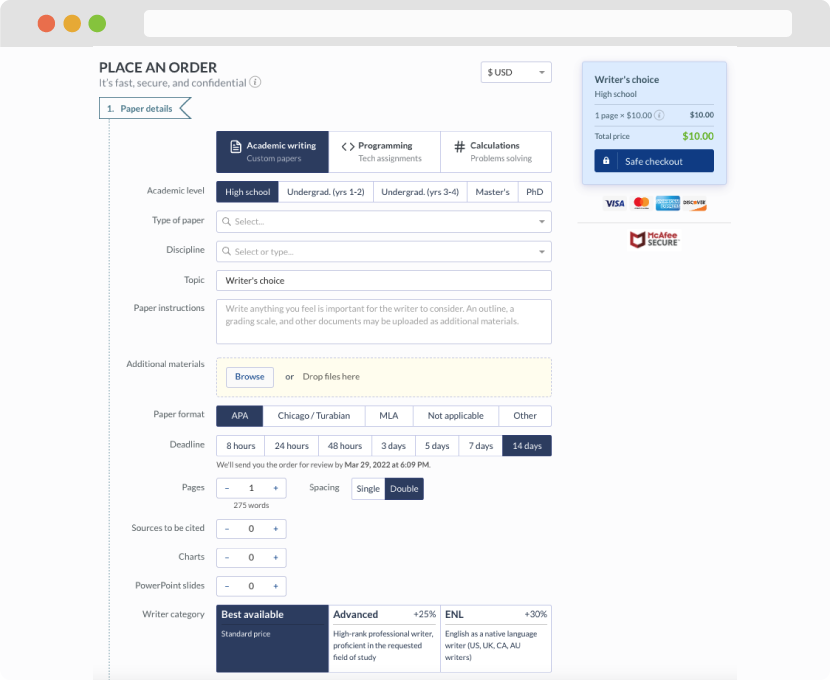
First, you will need to complete an order form. It's not difficult but, if anything is unclear, you may always chat with us so that we can guide you through it. On the order form, you will need to include some basic information concerning your order: subject, topic, number of pages, etc. We also encourage our clients to upload any relevant information or sources that will help.
Complete the order form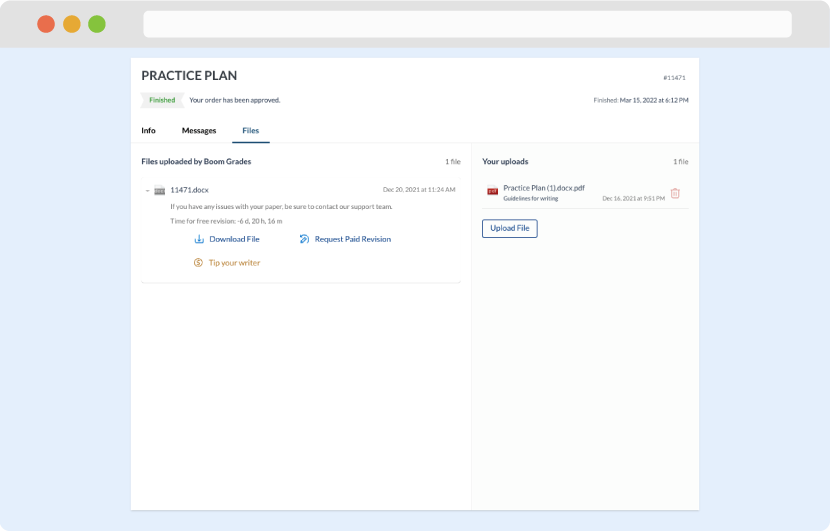
Once we have all the information and instructions that we need, we select the most suitable writer for your assignment. While everything seems to be clear, the writer, who has complete knowledge of the subject, may need clarification from you. It is at that point that you would receive a call or email from us.
Writer’s assignment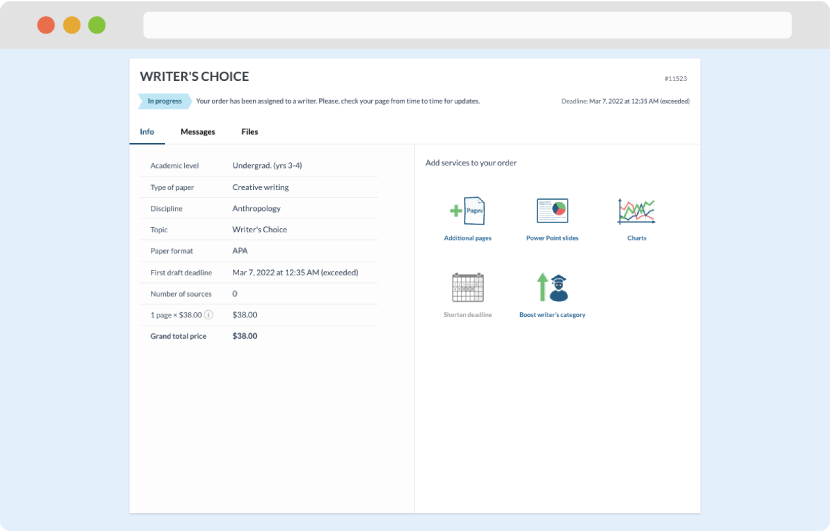
As soon as the writer has finished, it will be delivered both to the website and to your email address so that you will not miss it. If your deadline is close at hand, we will place a call to you to make sure that you receive the paper on time.
Completing the order and download