Linda Stevens, LPN, works on a medical floor at the local hospital. One of the patients she has been assigned to take care of is Frank Gibbons, a 72-year-old newly diagnosed with diabetes (a condition in which the body does not produce enough insulin to control blood sugar levels). Part of Linda’s process of preparing to care for her patients is to review the patients’ charts for any new physician orders. She notes that Dr. Romero was in the previous evening and ordered the patient’s blood sugar to be checked at 8 a.m. According to the results, insulin is to be given. (The higher the level of blood sugar, the greater the amount of insulin that is given, based on a formula defined by the physician.) Linda is a “thinking nurse” and starts to question if this is an appropriate order. She realizes that breakfast trays arrive at 7:30 a.m. on her floor and that Mr. Gibbons will already have eaten when she checks his insulin level at 8 a.m. She knows that after eating, a person’s blood sugar normally increases for a few hours. This is why blood sugar tests are usually ordered when the patient has not eaten for a number of hours. Linda reasons that if she calculates the amount of insulin based on the temporarily elevated blood sugar levels, Mr. Gibbons will receive too much insulin and may have a negative reaction. Linda calls Dr. Romero to clarify the order. Dr. Romero states that he believed the breakfast trays did not arrive until 8:30 a.m. He thanks Linda for catching the error and changes the order.
Edwin Olivas
Dr. Elena M. Russo
Linda Stevens, LPN, works on a medical floor at the local hospital. One of the patients she has been assigned to take care of is Frank Gibbons, a 72-year-old newly diagnosed with diabetes (a condition in which the body does not produce enough insulin to control blood sugar levels). Part of Linda’s process of preparing to care for her patients is to review the patients’ charts for any new physician orders. She notes that Dr. Romero was in the previous evening and ordered the patient’s blood sugar to be checked at 8 a.m. According to the results, insulin is to be given. (The higher the level of blood sugar, the greater the amount of insulin that is given, based on a formula defined by the physician.) Linda is a “thinking nurse” and starts to question if this is an appropriate order. She realizes that breakfast trays arrive at 7:30 a.m. on her floor and that Mr. Gibbons will already have eaten when she checks his insulin level at 8 a.m. She knows that after eating, a person’s blood sugar normally increases for a few hours. This is why blood sugar tests are usually ordered when the patient has not eaten for a number of hours. Linda reasons that if she calculates the amount of insulin based on the temporarily elevated blood sugar levels, Mr. Gibbons will receive too much insulin and may have a negative reaction. Linda calls Dr. Romero to clarify the order. Dr. Romero states that he believed the breakfast trays did not arrive until 8:30 a.m. He thanks Linda for catching the error and changes the order.
·
What might have happened if Linda had simply performed the blood sugar test exactly as ordered?
· Do you think Linda should have been considered responsible for the error if she had followed the orders exactly?
· Review the five Ws and How questions in relation to this situation. Give examples of questions that Linda may have asked herself.
·
1) If Linda had simply performed the blood sugar test without thinking and exactly as well-ordered, then she would have caused harm to the patient by giving him higher volume of insulin based on the blood sugar (higher) she would get after having the breakfast.
2) Yes, Linda and the ordered physician should be considered responsible for the error if she had followed the orders exactly because both are responsible equally for patient care.
· #. Five W’s: –
· What – what drug must be administered (insulin in this case)
· When – at what time medication should be administered at (8am in this case)
· Whom – to which patient medication should only be administered (Mr. Gibbon in this case)
· Why – an explanation as to why medication should be given to (in this case -why insulin must be administered)
· Where – at what route medication must be administered (in this case insulin must be given subcutaneously)
Essay Writing Service Features
Our Experience
No matter how complex your assignment is, we can find the right professional for your specific task. Achiever Papers is an essay writing company that hires only the smartest minds to help you with your projects. Our expertise allows us to provide students with high-quality academic writing, editing & proofreading services.
Free Features
Free revision policy
$10Free bibliography & reference
$8Free title page
$8Free formatting
$8How Our Dissertation Writing Service Works
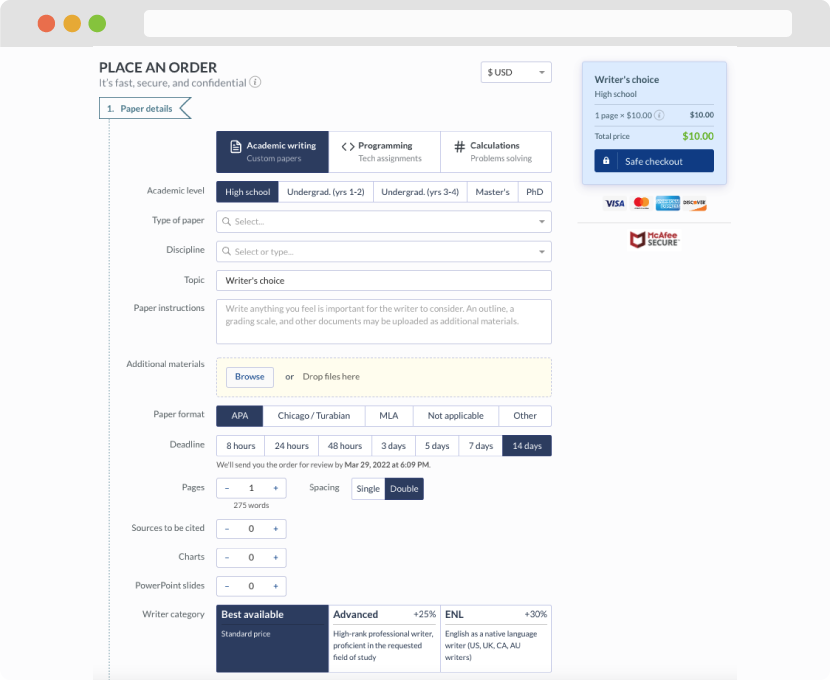
First, you will need to complete an order form. It's not difficult but, if anything is unclear, you may always chat with us so that we can guide you through it. On the order form, you will need to include some basic information concerning your order: subject, topic, number of pages, etc. We also encourage our clients to upload any relevant information or sources that will help.
Complete the order form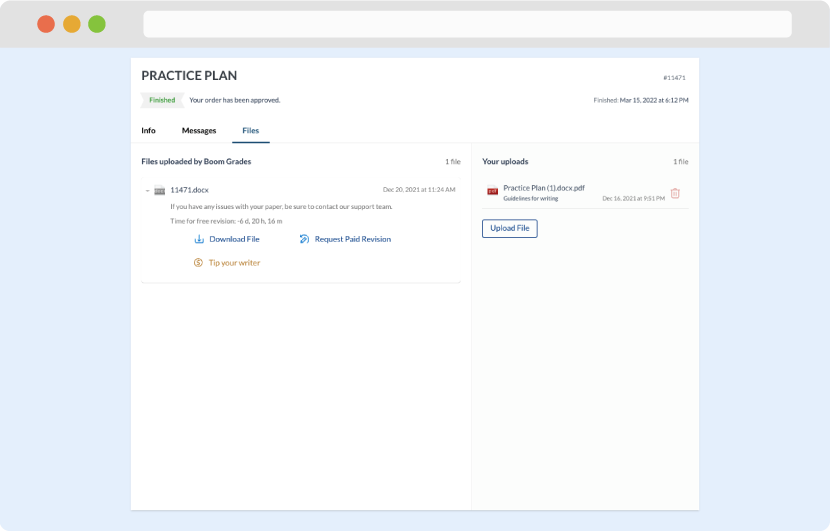
Once we have all the information and instructions that we need, we select the most suitable writer for your assignment. While everything seems to be clear, the writer, who has complete knowledge of the subject, may need clarification from you. It is at that point that you would receive a call or email from us.
Writer’s assignment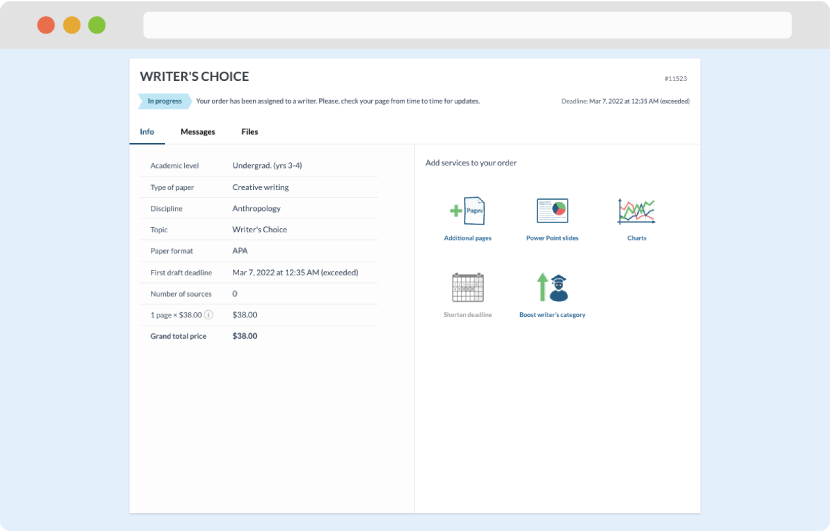
As soon as the writer has finished, it will be delivered both to the website and to your email address so that you will not miss it. If your deadline is close at hand, we will place a call to you to make sure that you receive the paper on time.
Completing the order and download